


 CN
 EN
 RU
 ES
 AR


Understanding ERW Building and Structural Steel Pipes: Essential Insights for Professionals

---
ERW (Electric Resistance Welded) building and structural steel pipes are critical components in the construction and decorative materials industry, particularly in the manufacturing of pipes used for various structural applications. Understanding the properties and benefits of these pipes provides crucial insights for professionals involved in architectural design, civil engineering, and construction management.
ERW steel pipes are manufactured by rolling metal strips and welding them longitudinally using electric resistance methods. This process creates a strong seam that is crucial for the durability of the pipe. One of the primary advantages of ERW pipes is their ability to be produced in a wide range of sizes and thicknesses, making them versatile for various applications, from building structures to decorative elements.
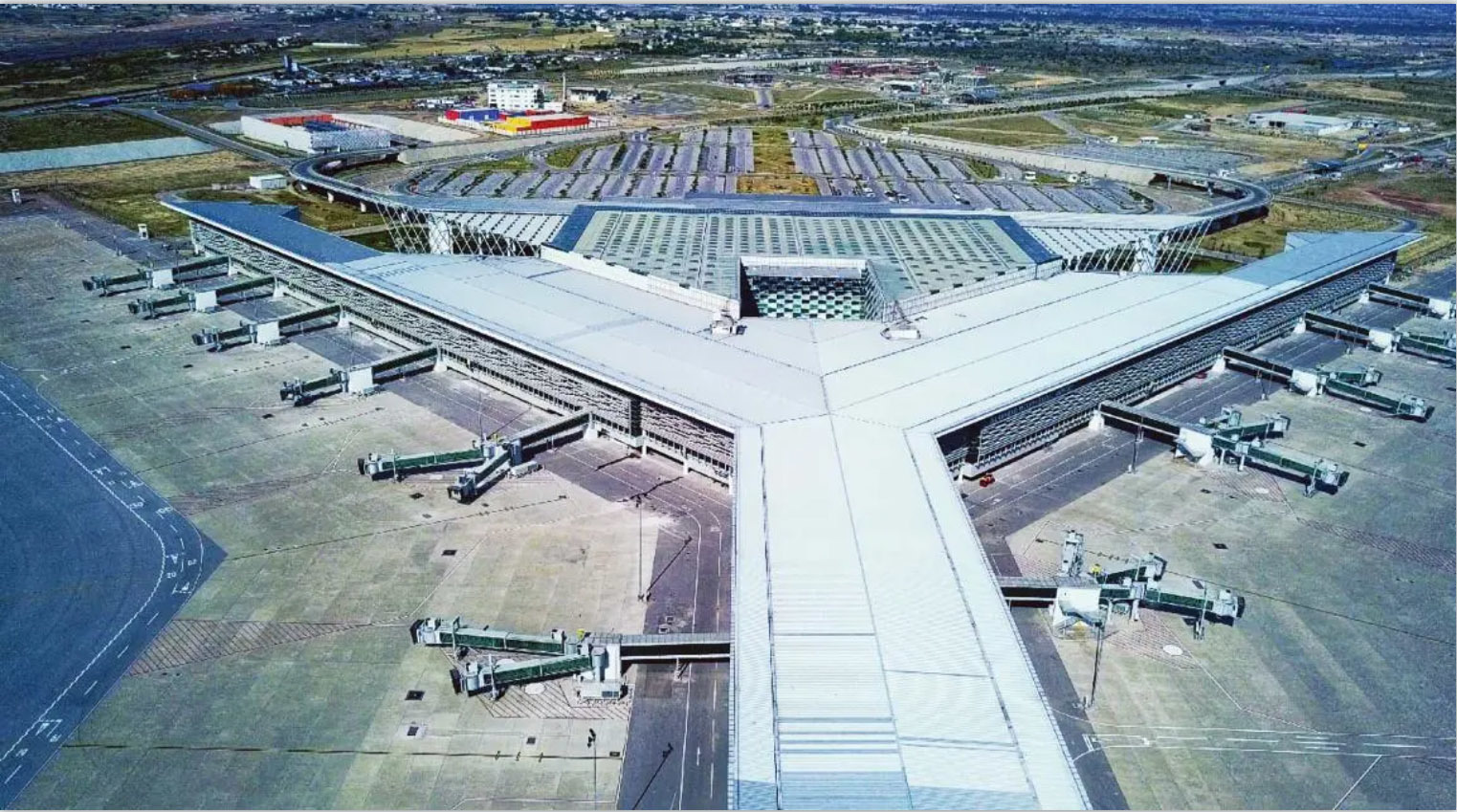
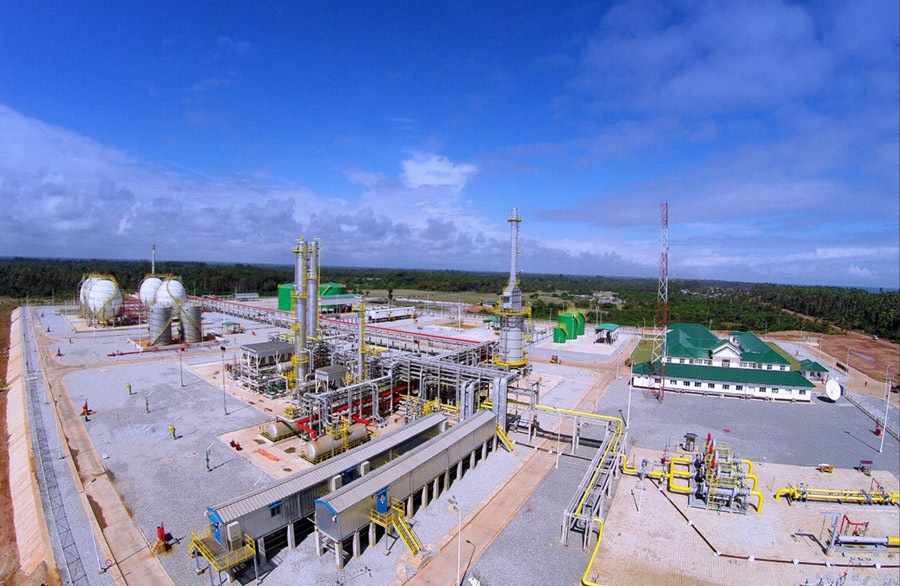
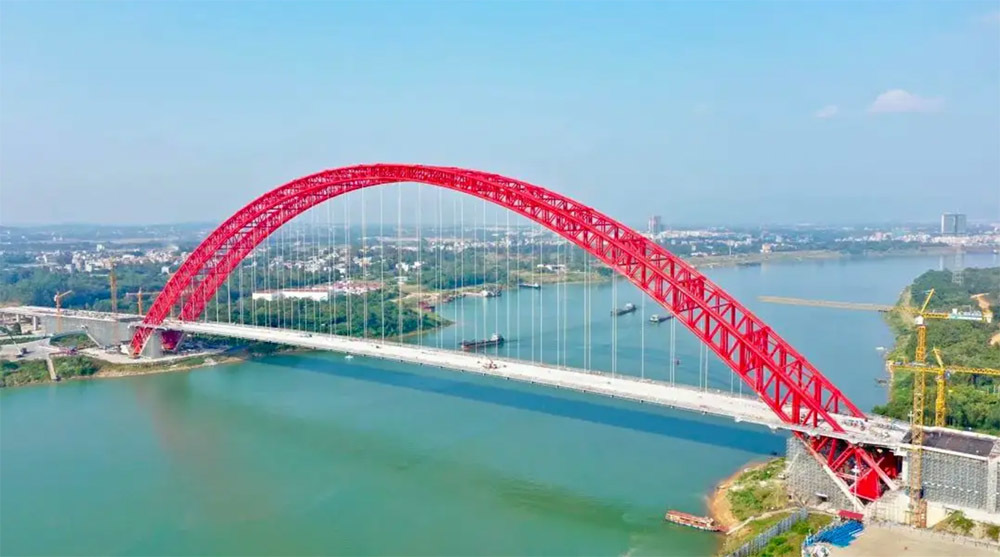
The structural integrity of ERW steel pipes makes them suitable for use in a variety of settings, including residential, commercial, and industrial projects. They are often used in the construction of frames for buildings, bridges, and other infrastructure due to their strength and resistance to deformation under stress. Furthermore, ERW pipes are known for their uniformity and consistency, which are critical factors in meeting the stringent specifications required in modern construction.
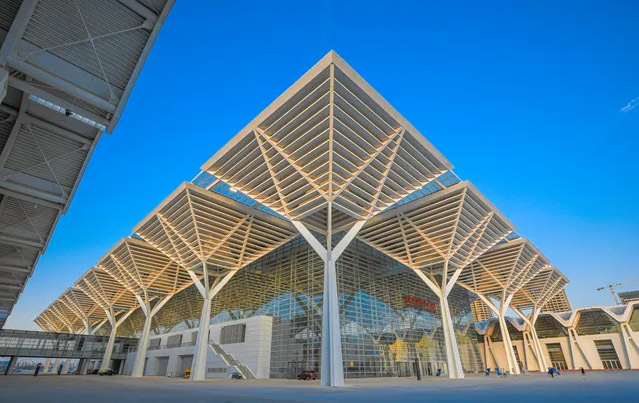
In addition to their structural applications, ERW building and structural steel pipes are also utilized in decorative purposes. Their clean lines and sleek profiles lend themselves well to modern architectural designs, serving as both functional and aesthetic elements in a wide array of projects. Architects and designers appreciate the flexibility that ERW pipes offer, as they can be easily manipulated to suit specific design requirements.
Another vital aspect of ERW steel pipes is their cost-effectiveness. The manufacturing process allows for efficient production, which generally translates to lower prices compared to other types of steel pipes. This affordability does not compromise quality, making ERW pipes a popular choice among construction professionals looking to optimize budget while maintaining high standards.
Moreover, ERW pipes are generally more environmentally friendly compared to other types of pipes, as they can be produced using recycled materials and are fully recyclable at the end of their lifecycle. This sustainability aspect is increasingly important in today’s construction practices, where the demand for eco-friendly materials is on the rise.
In conclusion, ERW building and structural steel pipes are invaluable in the construction industry due to their strength, versatility, cost-effectiveness, and sustainability. Professionals in the field should consider these pipes for their structural and decorative needs, as they provide a reliable solution that meets the demands of modern construction. Whether for building frames or aesthetic enhancements, ERW pipes are a robust choice that aligns with both functional and design objectives.




E-MAIL:
WHATSAPP:
ADD:
Mengcun County Cangzhou City Hebei Province, China 061000