


 CN
 EN
 RU
 ES
 AR


Understanding ERW Piling Pipes: Essential Insights for Professionals in the Construction Industry
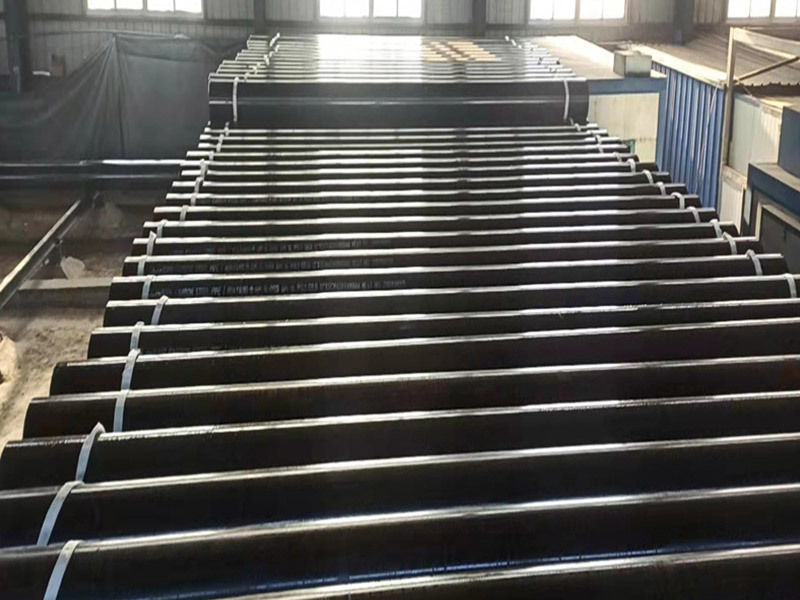
ERW (Electric Resistance Welded) piling pipes are widely recognized in the construction industry for their structural integrity and versatility. These pipes are produced by rolling steel sheets and welding them together, which creates a strong and reliable product for various applications. Understanding the properties and uses of ERW piling pipes is essential for professionals involved in building and construction materials.
One of the primary advantages of ERW piling pipes is their strength. The welding process enhances the material's durability, making these pipes suitable for heavy load-bearing applications. In construction, they are often used as foundation piles, which provide support for structures by transferring loads to the ground. Given their robust nature, ERW piling pipes are particularly valuable in projects where soil conditions are challenging or where significant loads are expected.
Another key benefit of ERW piling pipes is their cost-effectiveness. Compared to other types of piling solutions, such as seamless pipes, ERW pipes generally require less material and are faster to manufacture. This efficiency translates into potential savings for construction projects without compromising on quality. Moreover, the uniformity of ERW pipes allows for consistent performance, which is crucial for maintaining project timelines and budgets.
In addition to their structural applications, ERW piling pipes can be used in various environments, from marine settings to urban construction sites. Their resistance to environmental factors, such as corrosion and abrasion, makes them suitable for diverse applications. Proper coatings can further enhance their longevity, ensuring that they withstand various climatic conditions.
When selecting ERW piling pipes for a project, professionals should consider key factors such as pipe diameter, wall thickness, and the specific load requirements of the project. These specifications will influence the pipe's performance and suitability for the intended application. Additionally, understanding local building codes and regulations regarding material use is essential to ensure compliance and safety.
Sustainability is another critical aspect of using ERW piling pipes. Steel is one of the most recycled materials globally, and the production of ERW pipes often incorporates recycled content. This makes them a more environmentally friendly option compared to other materials, aligning with the growing focus on sustainable construction practices.
In conclusion, ERW piling pipes are an integral component of modern construction, offering a combination of strength, cost-effectiveness, and versatility. Professionals in the building and construction materials sector should take advantage of their benefits and consider them for various applications, ensuring that their projects are both successful and sustainable.











E-MAIL:
WHATSAPP:
ADD:
Mengcun County Cangzhou City Hebei Province, China 061000