


 CN
 EN
 RU
 ES
 AR


Essential Insights on Anti-Corrosion ERW Steel Pipe Suppliers for the Construction Industry
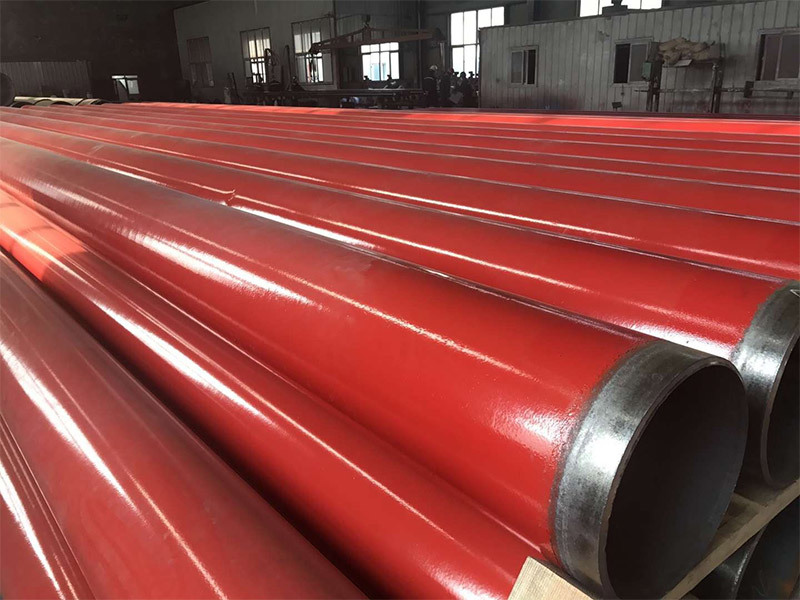
Anti-corrosion ERW (Electric Resistance Welded) steel pipes are integral to the construction and architectural sectors, primarily due to their durability and resistance to corrosion. In environments exposed to moisture, chemicals, or extreme weather conditions, the importance of selecting high-quality anti-corrosion ERW steel pipe suppliers cannot be overstated. This article delves into the key aspects that professionals should consider when looking for reliable suppliers in the building materials industry.
When evaluating anti-corrosion ERW steel pipe suppliers, one critical aspect is the type of coating used to enhance corrosion resistance. Common methods include galvanization, epoxy coatings, and other specialized treatments that provide a protective layer against environmental factors. Understanding these coatings and their specific benefits can help in choosing the right supplier, as some may offer advanced coating technologies that significantly extend the lifespan of the pipes.
Additionally, the manufacturing processes employed by suppliers play a crucial role in the quality of ERW steel pipes. The welding technique, for instance, directly impacts the strength and integrity of the pipes. Suppliers who adhere to strict industry standards and utilize cutting-edge technology typically produce higher-quality products. Therefore, it is advisable to inquire about the supplier's manufacturing practices and quality assurance protocols.
Another vital consideration is the supplier’s experience and reputation in the market. Established suppliers often have a proven track record of delivering reliable products and services. They may also have the expertise to provide valuable insights into the specific needs of the construction sector, including compliance with local building codes and regulations. Engaging with suppliers who have extensive experience in anti-corrosion ERW steel pipes can enhance project outcomes by ensuring that the right products are selected for specific applications.
Moreover, sustainability and environmental impact are becoming increasingly significant in the construction industry. Suppliers who prioritize eco-friendly practices in their manufacturing processes often appeal to environmentally-conscious clients. When choosing anti-corrosion ERW steel pipe suppliers, consider those who are committed to reducing their carbon footprint and use sustainable materials and methods.
Finally, effective communication and customer service should not be overlooked. A supplier that values their clients and provides exceptional support can make a significant difference throughout the procurement process. Clear communication regarding product specifications, delivery timelines, and after-sales support is essential for successful collaboration.
In summary, selecting the right anti-corrosion ERW steel pipe suppliers involves a comprehensive evaluation of their coatings, manufacturing practices, market reputation, commitment to sustainability, and customer service. By considering these factors, professionals in the construction and architectural fields can make informed decisions that enhance the longevity and performance of their projects.











E-MAIL:
WHATSAPP:
ADD:
Mengcun County Cangzhou City Hebei Province, China 061000