


 CN
 EN
 RU
 ES
 AR


How Anti-Corrosion ERW Steel Pipes Improve Safety in Construction
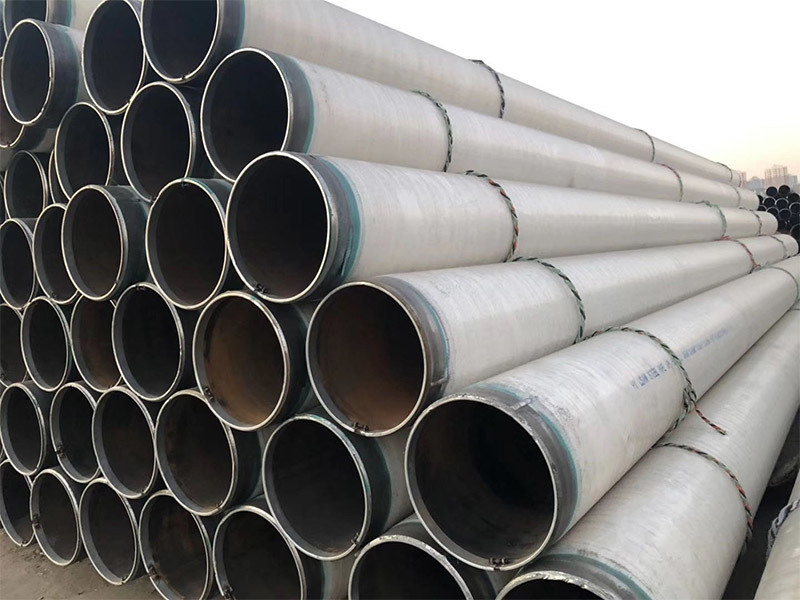
How Anti-Corrosion ERW Steel Pipes Improve Safety in Construction
Table of Contents
- 1. Introduction to Anti-Corrosion ERW Steel Pipes
- 2. Understanding ERW Steel Pipes
- 3. Advantages of Anti-Corrosion Coatings
- 4. Safety Implications in Construction
- 5. Applications of ERW Steel Pipes in Construction
- 6. Choosing the Right Anti-Corrosion ERW Pipe
- 7. Maintenance and Durability of Anti-Corrosion ERW Pipes
- 8. Case Studies: Success Stories in Construction Safety
- 9. Frequently Asked Questions
- 10. Conclusion
1. Introduction to Anti-Corrosion ERW Steel Pipes
In the construction industry, the materials chosen can significantly affect the safety, durability, and overall integrity of structures. **Anti-Corrosion ERW Steel Pipes** have emerged as a vital component in ensuring that construction projects meet safety standards while delivering long-lasting performance. These pipes not only withstand environmental challenges but also provide reliability that traditional materials often lack. In this article, we delve into the intricacies of these pipes, their advantages, various applications, and how they contribute to safety in construction.
2. Understanding ERW Steel Pipes
**ERW (Electric Resistance Welded)** steel pipes are formed by rolling steel sheets and welding them together along the seam. This manufacturing process allows for a versatile and robust product that can be tailored to various specifications. The inherent strength of ERW pipes, combined with their cost-effectiveness, makes them a popular choice in construction and various industrial applications.
The process of welding not only secures the integrity of the steel but also facilitates the production of pipes in different diameters and thicknesses. This adaptability is crucial in meeting the diverse needs of construction projects, from water supply systems to structural frameworks.
3. Advantages of Anti-Corrosion Coatings
One of the standout features of **Anti-Corrosion ERW Steel Pipes** is their protective coatings, which prevent the onset of rust and corrosion. Here’s why these coatings are beneficial:
Enhanced Longevity
The application of anti-corrosion coatings significantly extends the lifespan of steel pipes. By acting as a barrier against moisture and corrosive substances, these coatings prevent deterioration that could lead to structural weaknesses.
Reduced Maintenance Costs
With traditional steel pipes, regular maintenance is often required to address corrosion-related issues. Anti-corrosion coatings minimize this need, leading to lower maintenance costs over time.
Improved Safety Standards
Corrosion can compromise the structural integrity of steel pipes, potentially leading to catastrophic failures. By employing anti-corrosion technologies, construction companies can adhere to strict safety standards and regulations, ensuring the safety of workers and the public.
4. Safety Implications in Construction
The safety of construction sites is paramount, and the materials used play a crucial role in this aspect. The use of Anti-Corrosion ERW Steel Pipes provides several advantages that enhance safety:
Structural Integrity
The high-strength properties of ERW pipes, when combined with anti-corrosion features, ensure that the structural integrity of buildings is maintained over time. This is particularly important in environments where pipes may be exposed to aggressive elements.
Minimized Risk of Failures
Corrosion-related failures can lead to hazardous situations, including leaks or even collapses. By utilizing Anti-Corrosion ERW Steel Pipes, construction professionals can mitigate these risks, contributing to a safer working environment.
Compliance with Regulations
Regulatory bodies often set stringent safety standards for materials used in construction. Anti-Corrosion ERW Steel Pipes help builders comply with these regulations, reinforcing the safety of their projects.
5. Applications of ERW Steel Pipes in Construction
Anti-Corrosion ERW Steel Pipes are utilized in a variety of construction applications, showcasing their versatility and effectiveness:
Water Supply Systems
These pipes are frequently used in the installation of water supply systems due to their ability to resist corrosion caused by water and other chemicals.
Structural Frameworks
In constructing buildings, ERW pipes provide essential support and stability, ensuring that structures can withstand various loads and stresses.
HVAC Systems
Anti-Corrosion ERW Steel Pipes are ideal for HVAC systems, where exposure to moisture and other factors can lead to rapid deterioration of standard pipes.
Oil and Gas Pipelines
The oil and gas industry relies heavily on steel piping systems, and the anti-corrosion properties of ERW pipes make them suitable for transporting these materials safely.
6. Choosing the Right Anti-Corrosion ERW Pipe
Selecting the appropriate Anti-Corrosion ERW Steel Pipe for your project requires careful consideration of several factors:
Pipe Specification
Evaluate the specific requirements of your project, including the diameter, wall thickness, and length of the pipes needed.
Environmental Conditions
Consider the environmental conditions the pipes will be exposed to. Factors such as humidity, chemical exposure, and temperature fluctuations can impact the selection.
Manufacturer Reputation
Choose reputable manufacturers known for their quality production standards and anti-corrosion technologies. This ensures you receive reliable and safe materials.
7. Maintenance and Durability of Anti-Corrosion ERW Pipes
While Anti-Corrosion ERW Steel Pipes require less maintenance than traditional materials, it is vital to implement a routine inspection process:
Regular Inspections
Conducting regular inspections can help identify any signs of wear or damage early on. This proactive approach can prevent major issues down the line.
Cleaning and Care
Keeping the pipes clean from debris and other contaminants can enhance their lifespan and performance. Simple cleaning procedures can go a long way in maintaining their integrity.
Replacement Planning
Even the most durable pipes may eventually require replacement. Planning for this eventuality ensures that your construction project remains compliant and safe.
8. Case Studies: Success Stories in Construction Safety
Examining real-world applications of Anti-Corrosion ERW Steel Pipes can provide valuable insights into their benefits:
Case Study 1: Urban Water Supply
In a recent urban development project, the use of Anti-Corrosion ERW Steel Pipes for the water supply system reduced leaks by 40% compared to traditional pipes. This not only enhanced safety but also decreased water wastage.
Case Study 2: Commercial Building Framework
A major commercial building project utilized Anti-Corrosion ERW Steel Pipes in its structural framework. The result was a resilient structure that withstood severe weather conditions without compromising safety.
Case Study 3: Oil Transportation
An oil company switched to Anti-Corrosion ERW Steel Pipes for transporting crude oil. This change resulted in lower maintenance costs and higher safety standards, as corrosion-related incidents decreased significantly.
9. Frequently Asked Questions
What are ERW Steel Pipes?
ERW Steel Pipes are Electric Resistance Welded pipes formed by rolling steel sheets and welding them along the seam, known for their strength and adaptability.
Why are anti-corrosion coatings important?
Anti-corrosion coatings prevent rust and deterioration, significantly extending the lifespan of steel pipes and ensuring safety in construction applications.
How do Anti-Corrosion ERW Steel Pipes enhance safety?
These pipes maintain structural integrity, reduce the risk of failures, and help comply with safety regulations, thereby enhancing overall safety on construction sites.
What are the key applications of ERW Steel Pipes?
ERW Steel Pipes are used in water supply systems, structural frameworks, HVAC systems, and oil and gas pipelines.
How can I ensure the quality of my ERW pipes?
Choose pipes from reputable manufacturers, consider the specifications needed for your project, and conduct regular inspections to maintain quality.
10. Conclusion
In conclusion, **Anti-Corrosion ERW Steel Pipes** are indispensable in today’s construction landscape, offering unparalleled safety, durability, and cost-effectiveness. As construction projects become more ambitious, the need for resilient materials that can withstand environmental challenges becomes increasingly critical. By investing in these advanced piping solutions, builders can ensure not only the longevity of their projects but also the safety of everyone involved. The future of construction safety lies in the materials we choose today, and Anti-Corrosion ERW Steel Pipes are at the forefront of this evolution.
Previous:



E-MAIL:
WHATSAPP:
ADD:
Mengcun County Cangzhou City Hebei Province, China 061000