


 CN
 EN
 RU
 ES
 AR


Achieving Precision in Pipe Pile Clutch Welding Techniques: A Comprehensive Guide
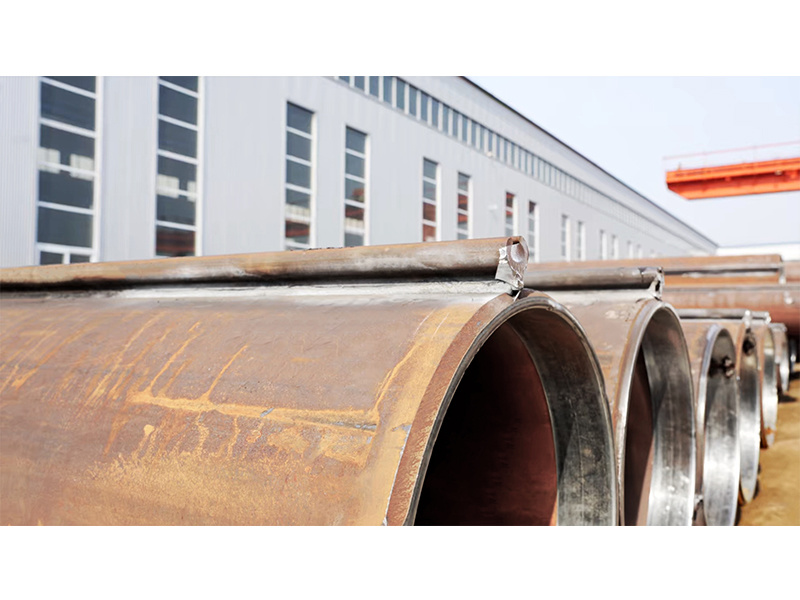
Achieving Precision in Pipe Pile Clutch Welding Techniques
Table of Contents
- Introduction to Pipe Pile Clutch Welding
- The Importance of Precision in Welding
- Popular Welding Methods for Pipe Piles
- Essential Equipment and Tools
- Techniques for Achieving Precision
- Quality Control in Welding
- Common Welding Issues and Solutions
- Conclusion
- Frequently Asked Questions
Introduction to Pipe Pile Clutch Welding
Pipe pile clutch welding is a specialized technique employed in the manufacturing and construction industries, particularly for creating strong, reliable joints in pipe piles. These piles serve as foundational supports for structures, making the integrity of welds crucial to the overall safety and durability of constructions. As the demand for precision in mechanical processing increases, the techniques utilized in pipe pile welding have evolved significantly. This article will delve into the methods, equipment, and strategies necessary to achieve precision in pipe pile clutch welding.
The Importance of Precision in Welding
Precision in welding is not merely a preference; it is a necessity. When dealing with structural components like pipe piles, any flaws in the weld can lead to catastrophic failures. This section outlines the critical reasons why achieving precision in pipe pile clutch welding is paramount:
Safety and Structural Integrity
Structural integrity is non-negotiable in construction. Poor welding techniques can compromise safety, leading to potential hazards for workers and end-users of the structures.
Cost Efficiency
High precision in welding minimizes the risk of defects, reducing the need for costly repairs and rework. This efficiency translates into lower project costs and improved profitability.
Quality Control and Compliance
Industries are increasingly subject to stringent quality standards and regulations. Achieving precise welds ensures compliance with these standards, fostering trust and reliability among clients and stakeholders.
Popular Welding Methods for Pipe Piles
Various welding methods can be employed for pipe pile clutch welding, each with its unique advantages and applications. Here we will discuss three popular methods.
TIG Welding
TIG (Tungsten Inert Gas) welding is renowned for its ability to produce high-quality and precise welds. It utilizes a non-consumable tungsten electrode and a filler rod, making it ideal for thin-walled materials and intricate designs. TIG welding offers excellent control over heat input and is suitable for a variety of metals, including carbon steel and stainless steel.
MIG Welding
MIG (Metal Inert Gas) welding is a versatile method that utilizes a wire feeder to supply filler material. Its speed and ease of use make it a popular choice for pipe pile welding, especially in larger projects. MIG welding provides a strong bond and is suitable for thicker materials, making it an efficient option for mass production.
Stick Welding
Stick welding, or SMAW (Shielded Metal Arc Welding), is one of the oldest welding techniques. It involves using a consumable electrode coated in flux to create the weld. While it may not offer the same level of precision as TIG or MIG welding, stick welding is effective in outdoor conditions and can be used on rusty or dirty materials.
Essential Equipment and Tools
Utilizing the right equipment is crucial for achieving precision in pipe pile clutch welding. Here we highlight some essential tools:
Welding Machines
The heart of any welding operation, welding machines should be chosen based on the method being employed. Ensure you use a reliable and suitable machine for your chosen technique.
Protective Gear
Welders must wear appropriate protective gear, including helmets, gloves, and protective clothing, to prevent injuries from sparks, heat, and UV radiation.
Measurement and Alignment Tools
Precision in welding begins with proper measurement and alignment. Tools such as calipers, squares, and alignment clamps are crucial for ensuring that materials are correctly positioned before welding.
Cleaning Equipment
Surface preparation is vital. Use brushes, grinders, and solvents to clean the materials and remove any contaminants that could compromise the weld quality.
Techniques for Achieving Precision
To ensure precision in pipe pile clutch welding, it is essential to implement best practices throughout the welding process. Below are key techniques that contribute to achieving optimal results.
Preparation of Materials
Proper preparation cannot be overstated. Clean surfaces free from rust, oil, and dirt will allow for better fusion during the welding process. Additionally, preheating the materials can improve weld quality and reduce the risk of cracking.
Proper Alignment Strategies
Correct alignment of the pipes is crucial. Use fixtures and jigs to hold materials in place during welding. Maintaining consistent gaps between parts will result in uniform welds.
Controlling Welding Speed and Heat
Welding speed must be controlled to ensure adequate penetration without causing distortion. Adjusting the heat input is equally important; too much heat can lead to warping, while too little can result in weak welds. Employing consistent travel speeds and torch angles will improve the overall quality of the weld.
Quality Control in Welding
Implementing quality control measures throughout the welding process is necessary to maintain high standards:
Weld Inspection
Regular inspection of welds during and after the process allows for the identification of defects early. Techniques such as visual inspection, ultrasonic testing, and radiography can be employed to assess weld quality.
Documentation
Keep detailed records of welding parameters, materials used, and inspection results. This documentation serves as a reference for future projects and helps in adhering to industry standards.
Common Welding Issues and Solutions
Even with the best practices, welding issues can arise. Below are common problems encountered during pipe pile clutch welding and their solutions.
Poor Penetration
If welds do not penetrate adequately, it may be due to insufficient heat or incorrect electrode angle. Adjusting these parameters can help achieve better penetration.
Warping or Distortion
Excessive heat can cause warping. To mitigate this, control the welding speed and heat input, and consider using a multi-pass technique for thicker materials.
Porosity
Presence of gas pockets in the weld can occur due to moisture or contaminants. Ensuring clean, dry materials will significantly reduce porosity.
Conclusion
Achieving precision in pipe pile clutch welding techniques is vital for ensuring the safety and integrity of structures. By understanding the various welding methods, utilizing the right equipment, and implementing best practices, professionals in the industry can produce high-quality welds that meet stringent standards. Continuous learning and adaptation to new techniques will further enhance the capabilities of welders, ultimately contributing to successful project outcomes.
Frequently Asked Questions
1. What is the best welding method for pipe pile clutch welding?
The best method depends on the specific requirements of the project, including material thickness and environmental conditions. TIG welding is great for precision, while MIG welding is faster and more efficient for larger projects.
2. How can I ensure the quality of my welds?
Regular inspection, proper surface preparation, and adhering to correct welding parameters are crucial for ensuring high-quality welds.
3. What are the common defects in welding?
Common defects include porosity, poor penetration, and discoloration. Each can typically be addressed through adjustments in technique or preparation.
4. Why is alignment important in welding?
Proper alignment ensures that welds are uniform and strong, reducing the likelihood of defects and enhancing structural integrity.
5. Can I use stick welding outdoors?
Yes, stick welding is suitable for outdoor applications, making it a versatile choice for various environmental conditions.
This comprehensive guide on achieving precision in pipe pile clutch welding techniques serves as an invaluable resource for industry professionals seeking to enhance their skills and ensure quality in their welding practices. By focusing on the details outlined, welders can achieve excellence in their projects and contribute to safer, stronger structures.











E-MAIL:
WHATSAPP:
ADD:
Mengcun County Cangzhou City Hebei Province, China 061000