


 CN
 EN
 RU
 ES
 AR


Understanding Further Processing of Steel Pipes in Construction
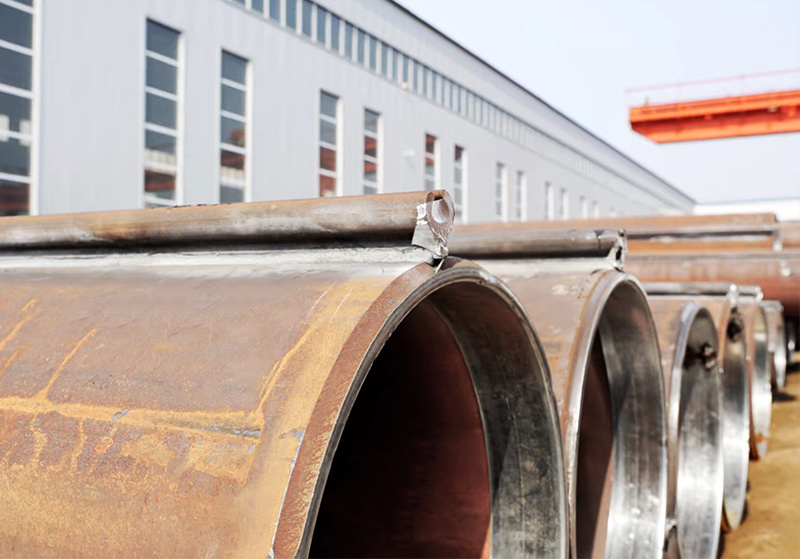
Steel pipes play a crucial role in various applications within the construction industry, especially in infrastructure development, plumbing, and structural frameworks. However, the raw steel pipes often require further processing to enhance their properties, improve their durability, and expand their usability. This article will discuss the essential aspects of further processing steel pipes, highlighting the key methods and benefits for construction professionals.
Further processing of steel pipes involves several techniques designed to modify the physical and chemical properties of the material. These processes can include cutting, bending, welding, coating, and heat treatment. Each method is tailored to meet specific project requirements, ensuring that the steel pipes meet industry standards and performance expectations.
1. **Cutting and Bending**: One of the primary steps in further processing is cutting steel pipes to precise lengths and bending them to fit specific architectural requirements. Modern technology such as CNC (Computer Numerical Control) machines allows for highly accurate cuts and bends, minimizing waste and ensuring consistency.
2. **Welding**: Another vital process is welding, which strengthens the joints between steel pipes. Various welding techniques, including MIG (Metal Inert Gas) and TIG (Tungsten Inert Gas), can be employed depending on the material thickness and intended application. Proper welding enhances the structural integrity of pipe assemblies, making them suitable for high-pressure environments.
3. **Coating**: Steel pipes are often coated to protect them from corrosion and environmental wear. Coating options such as galvanizing, powder coating, or applying specialized paints can significantly extend the life of steel pipes used in construction. This is especially important in outdoor applications where exposure to moisture and chemicals is prevalent.
4. **Heat Treatment**: Heat treatment processes, including annealing and quenching, can also be utilized to alter the microstructure of steel pipes, improving their mechanical properties such as strength, ductility, and toughness. These processes can make steel pipes more resilient to challenging conditions encountered in construction environments.
In conclusion, the further processing of steel pipes is an essential aspect that enhances their functionality in construction applications. By utilizing advanced techniques such as cutting, welding, coating, and heat treatment, professionals can achieve superior quality and performance from steel pipes. Understanding these processes not only helps in selecting the right materials for a project but also contributes to the overall efficiency and longevity of construction endeavors. Whether you are involved in design, procurement, or installation, knowledge of further processing steel pipes will prove beneficial in optimizing your construction projects.











E-MAIL:
WHATSAPP:
ADD:
Mengcun County Cangzhou City Hebei Province, China 061000