


 CN
 EN
 RU
 ES
 AR


Why Anti-Corrosion SAW Steel Pipes are Essential for Coastal Constructions
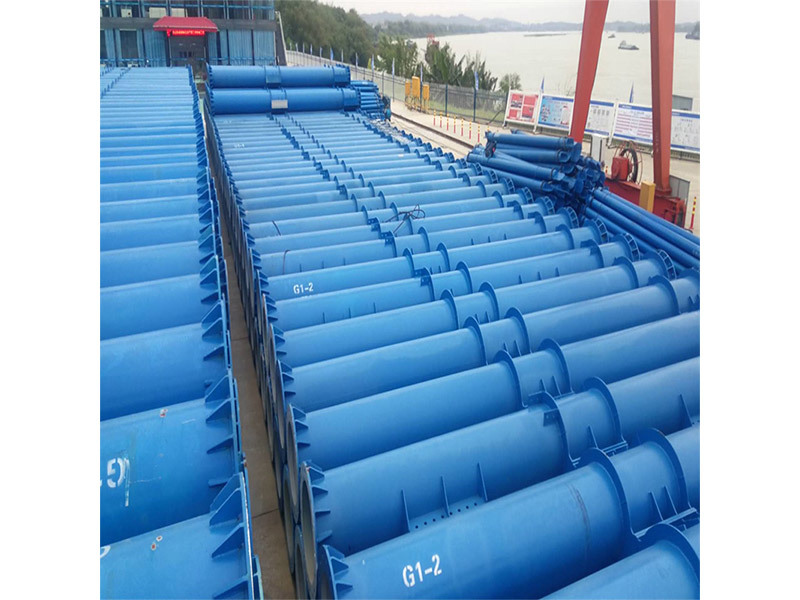
Why Anti-Corrosion SAW Steel Pipes are Essential for Coastal Constructions
Coastal constructions face unique challenges due to their exposure to harsh marine environments. The saltwater, humidity, and varying weather conditions can significantly affect the longevity and durability of construction materials. This is where **anti-corrosion SAW (Submerged Arc Welded) steel pipes** come into play. In this article, we will delve into why these specialized pipes are crucial for coastal construction projects, examining their benefits, applications, and the technology that makes them stand out.
Understanding Anti-Corrosion SAW Steel Pipes
To appreciate the importance of anti-corrosion SAW steel pipes, it's vital to understand what they are. SAW steel pipes are produced using the submerged arc welding process, which involves the welding of steel plates to form cylindrical shapes under a layer of flux. This method provides several advantages:
- **High Strength and Durability:** The welding process enhances the strength of the pipes, making them suitable for high-pressure applications.
- **Seamless Integration:** SAW pipes can be manufactured in large sizes, making them ideal for transporting fluids and gases over long distances.
However, the key feature that sets them apart in coastal environments is their anti-corrosion properties.
The Importance of Corrosion Resistance in Coastal Areas
Corrosion is a significant concern in coastal construction due to the constant exposure to saltwater. Salt accelerates the corrosion process, leading to structural failures if not adequately addressed. Here are some critical reasons why corrosion resistance is essential:
- **Extended Lifespan:** Structures that utilize anti-corrosion materials have a longer operational life, reducing the need for frequent repairs and replacements.
- **Cost Efficiency:** While anti-corrosion materials may have a higher initial cost, they save money in the long run by minimizing maintenance expenses.
- **Safety Assurance:** Corrosion can compromise the integrity of structures, posing safety risks. Anti-corrosion SAW pipes help maintain safety standards.
Benefits of Anti-Corrosion Coatings
Anti-corrosion SAW steel pipes are often coated with protective layers that enhance their resistance to rust and degradation. These coatings can include:
- **Epoxy Coatings:** These offer exceptional resistance to chemicals and are ideal for environments exposed to saline water.
- **Polyurethane Coatings:** Known for their flexibility and durability, these coatings can withstand harsh weather conditions.
- **Galvanization:** The practice of coating steel pipes with zinc provides an additional layer of protection against corrosion.
Each of these coatings contributes to extending the life and effectiveness of SAW steel pipes in coastal applications.
Applications of Anti-Corrosion SAW Steel Pipes in Coastal Construction
The versatility of anti-corrosion SAW steel pipes allows them to be used in various applications within coastal construction projects:
1. Marine Infrastructure
Anti-corrosion SAW steel pipes are utilized in the construction of marine infrastructures such as:
- **Piers and Wharves:** These structures require robust materials to withstand the erosive effects of waves and saltwater.
- **Submarine Pipelines:** For transporting oil, gas, or water, these pipes must be resistant to corrosion to ensure long-term functionality.
2. Coastal Protection Structures
Coastal defenses, including seawalls and breakwaters, benefit from the strength and durability of anti-corrosion SAW steel pipes. Their resistance to harsh marine conditions makes them ideal for safeguarding shorelines against erosion.
3. Offshore Platforms
In offshore oil and gas platforms, SAW pipes are crucial for structural integrity. The pipes must handle not only the corrosive environment but also the pressures and stresses associated with offshore drilling.
4. Water Treatment Facilities
Coastal water treatment facilities often employ anti-corrosion SAW steel pipes to transport and process water. These pipes ensure that the infrastructure lasts longer and operates efficiently, even in saline conditions.
The Technological Advancements Behind Anti-Corrosion SAW Steel Pipes
Recent advancements in technology have enhanced the performance of anti-corrosion SAW steel pipes. The following innovations contribute to their effectiveness:
1. Advanced Coating Techniques
Innovative coating technologies allow for the application of even, durable coatings that enhance the corrosion resistance of SAW pipes. Techniques such as high-velocity oxy-fuel (HVOF) spraying and thermal spray coatings provide superior protection.
2. Improved Manufacturing Processes
The manufacturing process of SAW pipes has evolved to optimize weld quality and strength. Advanced monitoring and control systems are employed during production to ensure that every pipe meets the highest standards.
3. Material Science Innovations
Research in materials science has led to the development of new alloys and composites that exhibit enhanced resistance to corrosion. These materials can significantly improve the lifespan and performance of SAW steel pipes used in coastal environments.
Environmental Impact and Sustainability
As the construction industry increasingly focuses on sustainability, the use of anti-corrosion SAW steel pipes aligns with eco-friendly practices. Here’s how they contribute to environmental sustainability:
1. Reduced Waste
Long-lasting materials reduce the frequency of replacements and repairs, minimizing waste generated by construction activities.
2. Recyclability
Steel is one of the most recycled materials globally. At the end of their life cycle, anti-corrosion SAW steel pipes can be recycled, further reducing their environmental footprint.
3. Energy Efficiency
Constructing durable infrastructures that require less maintenance allows for greater energy efficiency throughout their lifespan. This contributes to lower overall energy consumption in the construction and operation phases.
Frequently Asked Questions (FAQs)
1. What are the primary benefits of using anti-corrosion SAW steel pipes in coastal constructions?
The primary benefits include enhanced durability, extended lifespan, improved safety, and reduced maintenance costs, making them ideal for harsh marine environments.
2. How do anti-corrosion coatings work?
Anti-corrosion coatings form a protective barrier on the steel surface, preventing moisture and salt exposure that lead to rust and degradation.
3. Are anti-corrosion SAW steel pipes more expensive than regular steel pipes?
While they may have a higher initial cost, their longevity and reduced maintenance needs often result in cost savings over time.
4. Can anti-corrosion SAW steel pipes be used in freshwater applications?
Yes, while designed for coastal environments, they can also be effectively used in freshwater applications due to their corrosion-resistant properties.
5. How do advancements in technology enhance the performance of SAW steel pipes?
Technological advancements improve coating techniques, manufacturing processes, and material properties, leading to better corrosion resistance and overall performance.
Conclusion
In conclusion, **anti-corrosion SAW steel pipes** are indispensable for coastal constructions due to their remarkable durability, corrosion resistance, and versatility. As coastal areas continue to face the challenges posed by harsh marine environments, investing in these specialized pipes becomes essential for ensuring the longevity and safety of infrastructure. By embracing advanced technologies and sustainable practices, the construction industry can significantly enhance its resilience against the elements, thereby safeguarding coastal communities for generations to come.











E-MAIL:
WHATSAPP:
ADD:
Mengcun County Cangzhou City Hebei Province, China 061000