


 CN
 EN
 RU
 ES
 AR


Understanding the Factors Influencing Further Processing Steel Pipe Prices
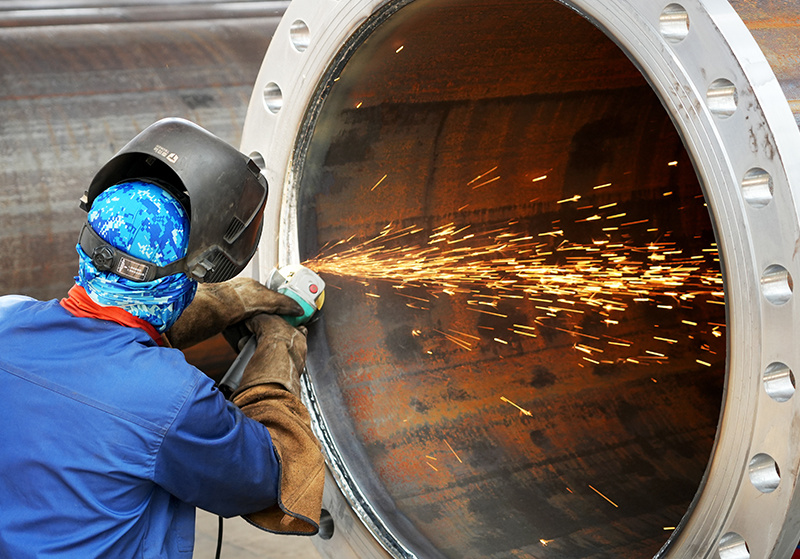
When discussing the prices of further processing steel pipes, it's essential to consider multiple factors that contribute to the overall cost. The steel pipe market is dynamic and influenced by various elements ranging from raw material costs to market demand, and understanding these can help industry professionals make informed decisions.
Firstly, the quality of the raw materials used in manufacturing steel pipes significantly impacts the pricing. Higher-grade steel typically leads to better durability and resistance to corrosion, but it also comes at a higher cost. Buyers should assess the specifications and quality standards required for their specific applications to ensure that they are getting the best value for their investment.
Secondly, the complexity and type of further processing applied to the steel pipes can vary widely, which directly affects the price. Processes such as cutting, bending, welding, and coating require additional labor and specialized equipment, which contribute to the final cost. Understanding the specific processing needs for your application can help you gauge the expected pricing more accurately.
Market demand and supply dynamics also play a crucial role in determining further processing steel pipe prices. Fluctuations in demand, whether due to seasonal construction trends or large-scale infrastructure projects, can lead to price volatility. Buyers should stay informed about market trends and forecasts to anticipate potential price increases or opportunities for cost savings.
Another influential factor is transportation and logistics costs. Depending on the location of suppliers and end users, shipping and handling can add significant expenses to the overall pricing structure. It's advisable for buyers to evaluate different suppliers and their shipping policies to find the most cost-effective solutions.
Lastly, regulatory standards and trade policies can also impact pricing. Changes in tariffs or import/export regulations can alter market conditions, leading to price adjustments. Professionals in the construction and decoration sectors should remain aware of any legislative changes that may affect material costs.
In conclusion, while further processing steel pipe prices can vary, understanding the underlying factors such as material quality, processing complexity, market demand, logistics, and regulatory influences can help industry professionals make informed decisions. By staying informed and proactive, buyers can effectively navigate the market and secure favorable pricing for their projects.











E-MAIL:
WHATSAPP:
ADD:
Mengcun County Cangzhou City Hebei Province, China 061000