


 CN
 EN
 RU
 ES
 AR


Innovative Solutions in Pipe Pile Clutch Welding Technology: Revolutionizing Construction Efficiency

Innovative Solutions in Pipe Pile Clutch Welding Technology
Table of Contents
- 1. Introduction to Pipe Pile Clutch Welding
- 2. The Importance of Welding Technology in Construction
- 3. Traditional Welding Techniques: An Overview
- 4. Modern Innovations in Welding Technology
- 4.1 Automation in Pipe Pile Welding
- 4.2 Use of Advanced Materials
- 4.3 Enhanced Quality Control Measures
- 5. Case Studies: Successful Implementations
- 6. Challenges in Pipe Pile Clutch Welding
- 7. Future Trends in Pipe Pile Welding Technology
- 8. Conclusion
- 9. Frequently Asked Questions
1. Introduction to Pipe Pile Clutch Welding
Pipe pile clutch welding is a crucial process in the construction industry, particularly in the formation of deep foundations. This technique involves the welding of pipe piles that support structures, ensuring stability and longevity. With the increasing demand for efficient construction practices, the need for innovative welding solutions has never been more pronounced.
2. The Importance of Welding Technology in Construction
Welding technology plays a significant role in the construction landscape. It directly impacts the structural integrity and durability of constructions. **Innovative welding methods** not only enhance the strength of connections but also improve the overall efficiency of the building process. As projects become more complex, the need for robust and reliable welding solutions continues to grow.
3. Traditional Welding Techniques: An Overview
Traditional welding methods, such as arc welding and MIG (Metal Inert Gas) welding, have been the cornerstone of construction practices for decades. These techniques, while effective, often come with limitations, including longer weld times and variable quality results. The reliance on manual processes can lead to human error and inconsistencies, necessitating the exploration of more advanced solutions.
4. Modern Innovations in Welding Technology
Modern advancements in welding technology are revolutionizing the way pipe pile clutch welding is approached. These innovations not only enhance the effectiveness of welding but also ensure greater safety and reduced costs.
4.1 Automation in Pipe Pile Welding
Automation has emerged as a game-changer in welding processes. Automated systems can perform welding tasks with precision and speed, significantly reducing labor costs and minimizing human error. Technologies such as robotic welding systems are becoming increasingly common, allowing for consistent results and faster project completion.
4.2 Use of Advanced Materials
The introduction of high-strength materials and composites has further improved welding outcomes. New alloys designed specifically for welding applications offer better resistance to corrosion and fatigue, which is critical for pipe piles exposed to harsh environments. These advanced materials allow for lighter constructions without compromising strength, optimizing overall structural integrity.
4.3 Enhanced Quality Control Measures
Quality control is paramount in welding, and current innovations are leading to improved inspection processes. Techniques such as ultrasonic testing and X-ray inspections allow for real-time assessment of weld integrity. Implementing these advanced quality control measures helps ensure that welding meets stringent industry standards and regulations.
5. Case Studies: Successful Implementations
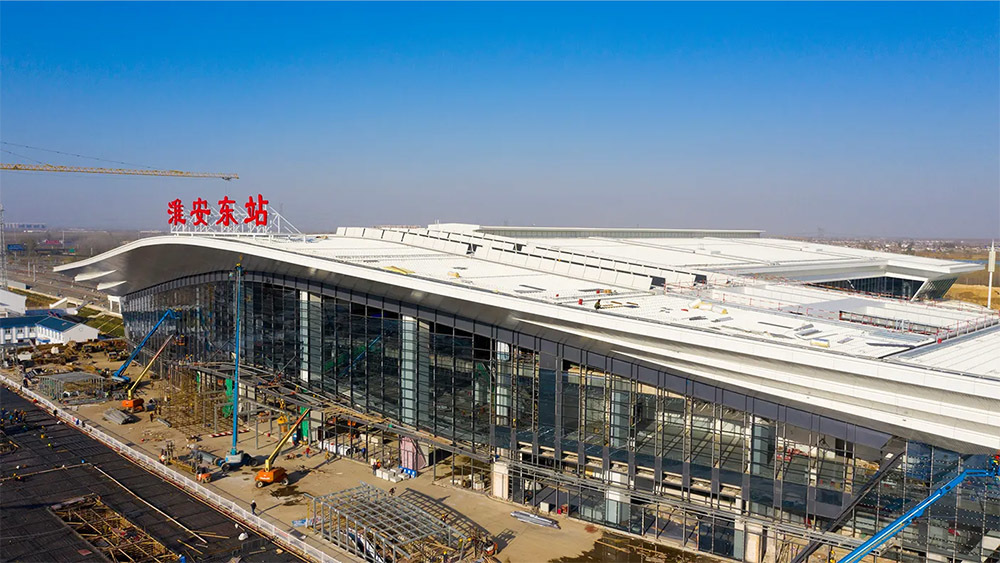
Several construction projects have showcased the benefits of innovative pipe pile clutch welding techniques. For instance, the recent revitalization of urban infrastructure in major cities has relied heavily on modern welding technologies. By employing automated welding systems and advanced materials, these projects have achieved remarkable efficiency and durability.
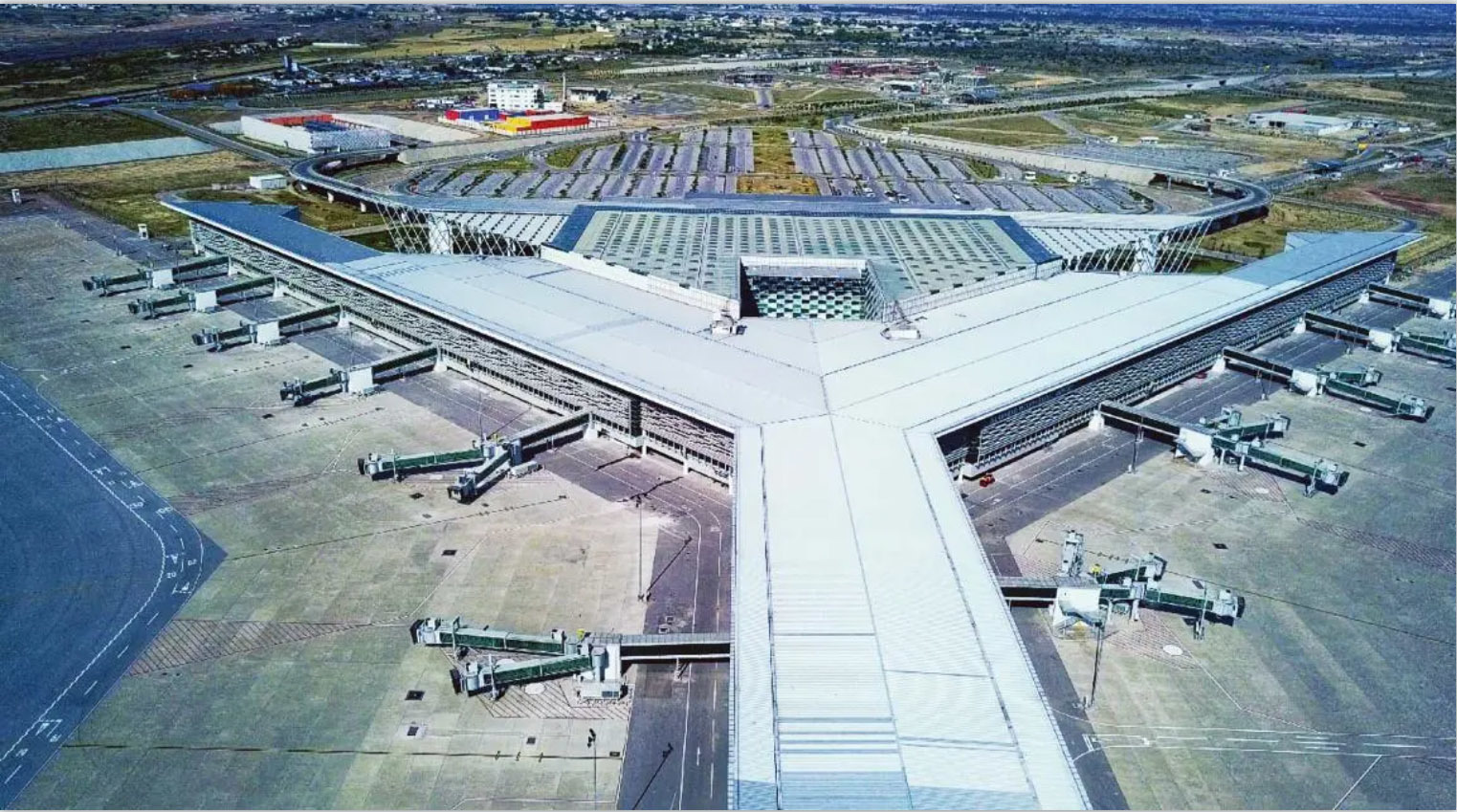
One notable case involved the construction of a transportation hub, where the integration of automated welding not only sped up the process but also reduced labor costs by 30%. Contractors reported significantly fewer reworks due to the improved quality of welds, demonstrating the tangible benefits of embracing new technologies.
6. Challenges in Pipe Pile Clutch Welding
Despite the advancements, challenges remain in the field of pipe pile clutch welding. One major issue is the initial investment in new technology, which can be prohibitive for smaller companies. Additionally, the ongoing need for skilled labor to operate advanced systems presents a challenge, as finding qualified technicians can be difficult.
Furthermore, as projects become larger and more complex, ensuring consistency across various teams and shifts can be a logistical hurdle. Companies must develop strategies to train their workforce effectively and maintain high standards of quality and safety.
7. Future Trends in Pipe Pile Welding Technology
The future of pipe pile clutch welding technology looks promising with ongoing research and development. Trends suggest an increased focus on **sustainability**, with the industry moving towards eco-friendly materials and processes. Additionally, the integration of artificial intelligence and machine learning in welding operations is anticipated to enhance precision and efficiency further.
As the construction industry continues to evolve, adopting these forward-thinking practices will be crucial for maintaining competitiveness and meeting the demands of modern infrastructure projects.
8. Conclusion
Innovative solutions in pipe pile clutch welding technology are reshaping the construction industry. By embracing automation, advanced materials, and rigorous quality control measures, companies can enhance their operational efficiency and the durability of their structures. As we look to the future, staying ahead of technological trends will be key to thriving in this dynamic field.
9. Frequently Asked Questions
What is pipe pile clutch welding?
Pipe pile clutch welding is a process used to join steel pipe piles, which are essential for creating stable foundations in construction projects.
How does automation enhance welding efficiency?
Automation improves welding efficiency by enabling consistent, high-speed operations, reducing labor costs, and minimizing the risk of human error.
What are the benefits of using advanced materials in welding?
Advanced materials provide enhanced strength, corrosion resistance, and lightweight properties, contributing to the overall durability and integrity of welded structures.
What quality control measures are typically used in welding?
Common quality control measures include ultrasonic testing, X-ray inspections, and visual inspections to ensure the integrity of welds meets industry standards.
What are the challenges faced in implementing new welding technologies?
Challenges include the initial investment costs, the need for skilled labor, and ensuring consistency across different shifts and teams within a project.
By exploring these innovative solutions, the construction industry can meet future demands with greater efficiency and sustainability.






E-MAIL:
WHATSAPP:
ADD:
Mengcun County Cangzhou City Hebei Province, China 061000