


 CN
 EN
 RU
 ES
 AR


The Comprehensive Guide to Further Processing Steel Pipes for Construction and Decoration
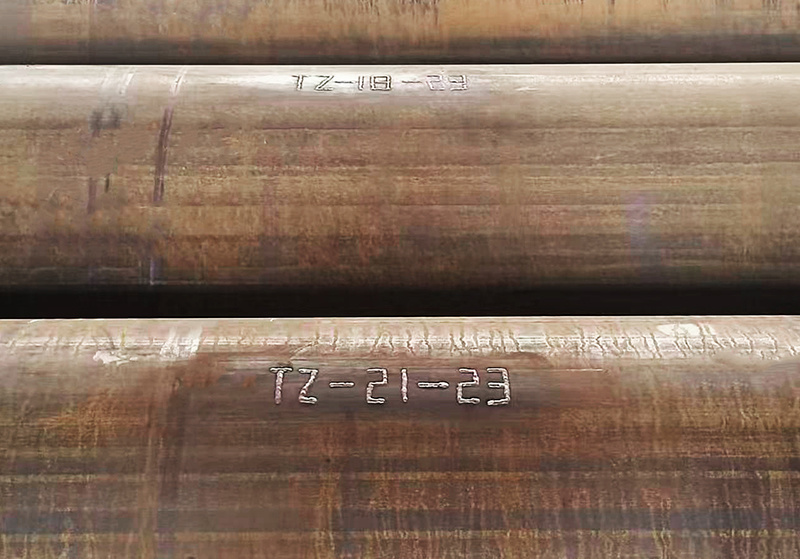
The term "Further Processing Steel Pipe" refers to the various techniques applied to steel pipes after their initial manufacturing stage to enhance their properties, functionality, and adaptability for specific applications, particularly in the construction and decoration materials industry. These processes play a crucial role in ensuring that steel pipes meet the diverse demands of modern construction projects, which often require materials that are not only durable but also cost-effective and aesthetically pleasing.
One of the most common forms of further processing is the treatment of steel pipes to improve their corrosion resistance. This may involve galvanization, where a protective zinc coating is applied to prevent rust and degradation over time. By treating steel pipes in this way, they become suitable for both outdoor and indoor applications, ensuring longevity and reduced maintenance costs for end-users.
Another significant method of further processing is the bending and shaping of steel pipes. This process allows for the creation of custom shapes and sizes to fit specific architectural designs and structural requirements. For example, in construction projects, bends may be necessary to navigate around other structural elements or to achieve desired aesthetic effects in decorative installations. By employing advanced bending techniques, fabricators can ensure that the integrity and strength of the steel pipe remain intact, while achieving the necessary forms for various applications.
Welding is also a crucial aspect of further processing steel pipes. This technique enables the joining of multiple steel components to create complex structures or to repair existing installations. Different welding methods, such as MIG (Metal Inert Gas) or TIG (Tungsten Inert Gas) welding, can be employed based on the required strength and application of the final product. The proper selection of welding techniques enhances the overall durability and reliability of the steel pipe assemblies in construction.
In addition to these processes, further processing may also include surface treatments such as painting or powder coating. Such treatments not only serve aesthetic purposes but also provide additional layers of protection against environmental factors. This is particularly important in decorative applications where visual appeal is as crucial as functional performance.
Finally, further processing can also involve quality control measures, ensuring that the steel pipes meet industry standards and specifications. This can include testing for strength, flexibility, and resistance to corrosion, ensuring that clients receive products that meet their exacting needs.
In conclusion, further processing steel pipes is an essential aspect of the construction and decoration materials industry. By employing various techniques such as corrosion treatment, bending, welding, and surface finishing, manufacturers can produce high-quality steel pipes that are tailored to meet the diverse needs of modern construction projects. Understanding these processes can help clients make informed decisions when selecting steel pipe products for their specific applications.
Previous:











E-MAIL:
WHATSAPP:
ADD:
Mengcun County Cangzhou City Hebei Province, China 061000