


 CN
 EN
 RU
 ES
 AR


Understanding the Dynamics of Further Processing Steel Pipe Prices in the Construction Industry
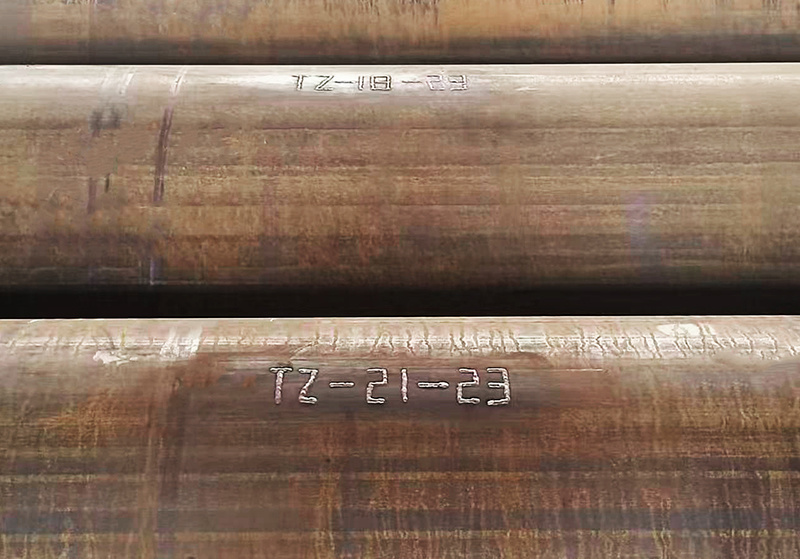
When it comes to construction materials, further processing steel pipes play a pivotal role, providing structural integrity and versatility. The pricing of these steel pipes can vary significantly based on several key factors. Understanding these factors is essential for professionals involved in construction and decoration projects.
One of the primary influences on the price of further processed steel pipes is the raw material costs. Steel production is subject to fluctuations in the prices of iron ore, scrap metal, and energy. When these raw material costs rise, manufacturers often pass on these increases to the end-users in the form of higher prices for processed steel pipes. Therefore, keeping an eye on global market trends is crucial for construction professionals who are budgeting for their projects.
Another significant factor impacting further processing steel pipe prices is the processing techniques employed. Common methods of processing include welding, galvanizing, and coating, all of which can add to the overall cost. For instance, galvanized pipes, known for their corrosion resistance, will typically be priced higher due to the additional processing required. Understanding the benefits and costs associated with different processing methods can help professionals make informed decisions based on their specific project needs.
Market demand and supply dynamics also play a critical role in determining prices. During periods of high demand, such as during construction booms or infrastructure projects, prices for further processed steel pipes may surge. Conversely, during economic downturns or periods of reduced construction activity, prices may stabilize or decrease. Professionals should remain alert to market conditions and adjust their purchasing strategies accordingly.
Furthermore, geographical location can influence the pricing of further processed steel pipes. Transportation costs, tariffs, and local market conditions can create price variances across different regions. For instance, proximity to steel production facilities may lead to lower transportation costs and, consequently, lower prices.
Lastly, regulatory factors, including environmental regulations and standards for construction materials, can also impact pricing. Compliance with these regulations may require additional processing or materials, which can further affect the cost of steel pipes.
In conclusion, the price of further processing steel pipes is influenced by a myriad of factors, including raw material costs, processing techniques, market demand, geographic location, and regulatory considerations. For professionals in the construction and decoration sectors, staying informed about these factors is essential for making sound purchasing decisions and ensuring project success.




E-MAIL:
WHATSAPP:
ADD:
Mengcun County Cangzhou City Hebei Province, China 061000