


 CN
 EN
 RU
 ES
 AR


Comparing Anti-Corrosion SAW Steel Pipes to Traditional Steel Pipes in Construction: A Comprehensive Guide
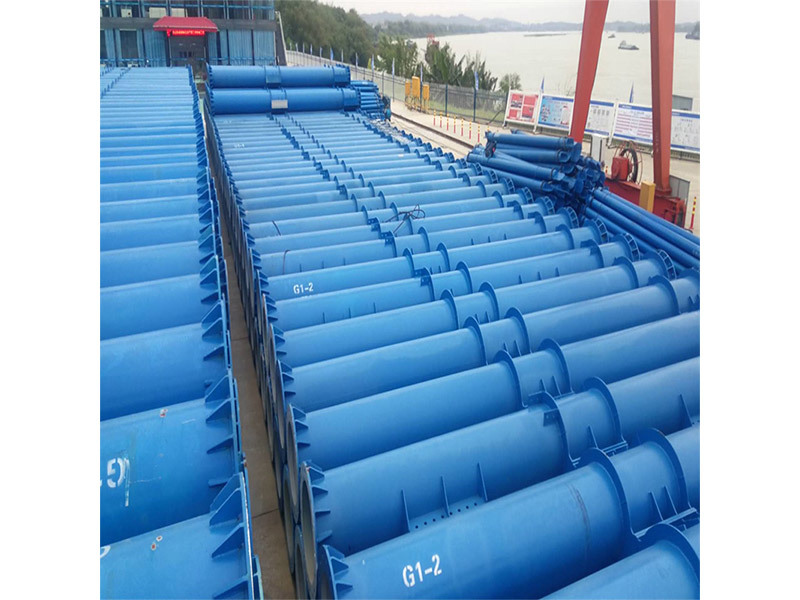
Introduction to Steel Pipes in Construction
In the construction industry, steel pipes play a crucial role. They are essential for various applications, including plumbing, structural support, and energy transportation. As the demand for durable and reliable materials increases, producers have developed innovative solutions like anti-corrosion SAW (Submerged Arc Welded) steel pipes. This article delves into the differences between anti-corrosion SAW steel pipes and traditional steel pipes, analyzing their respective advantages and disadvantages, and offering insights into which option is best suited for construction projects.
What Are Traditional Steel Pipes?
Traditional steel pipes have been a staple in construction for decades. Made from carbon steel, these pipes are known for their strength and versatility. They come in various sizes and lengths, making them suitable for a wide range of applications, from plumbing to structural frames. However, traditional steel pipes are susceptible to corrosion, especially when exposed to harsh environmental conditions.
What Are Anti-Corrosion SAW Steel Pipes?
Anti-corrosion SAW steel pipes are designed to resist corrosion while maintaining the structural integrity expected from steel materials. The submerged arc welding process used to manufacture these pipes creates a strong bond and results in a smooth finish. Additionally, these pipes often undergo various protective coatings or treatments to enhance their resistance to corrosion, making them ideal for projects in challenging environments.
Key Features of Anti-Corrosion SAW Steel Pipes
1. **Durability**: Anti-corrosion SAW steel pipes are engineered to withstand environmental stressors, ensuring longevity.
2. **Corrosion Resistance**: The protective coatings developed for these pipes significantly reduce the risk of rust and deterioration.
3. **Cost-Effectiveness**: Although the initial investment may be higher, their durability leads to reduced maintenance costs over time.
4. **Versatility**: These pipes can be adapted for various applications, including oil and gas, water transportation, and construction infrastructure.
5. **Enhanced Safety**: By minimizing the risk of failures due to corrosion, these pipes contribute to safer construction practices.
Comparative Analysis: Anti-Corrosion SAW Steel Pipes vs. Traditional Steel Pipes
1. Durability and Longevity
When comparing durability, anti-corrosion SAW steel pipes excel. Traditional steel pipes, while strong, are prone to rust and deterioration when exposed to moisture and chemicals. In contrast, the advanced coatings on anti-corrosion SAW steel pipes prolong their lifespan and reduce the need for frequent replacements.
2. Cost Considerations
Initially, anti-corrosion SAW steel pipes may cost more than traditional steel pipes. However, when considering long-term maintenance and replacement costs, they often prove more economical. The longevity and reduced maintenance associated with anti-corrosion pipes result in overall savings, particularly in large-scale construction projects.
3. Maintenance Requirements
Traditional steel pipes require regular inspections and maintenance to prevent corrosion-related failures. This can involve repainting, replacing sections, or even entirely replacing the pipes. Conversely, anti-corrosion SAW steel pipes generally require less maintenance, saving time and resources.
4. Environmental Impact and Sustainability
In today's environmentally conscious world, the sustainability of construction materials is crucial. Traditional steel pipes can contribute to environmental degradation due to their susceptibility to corrosion, leading to leaks and waste. On the other hand, anti-corrosion SAW steel pipes minimize this impact, as their durability reduces the need for replacements and repairs, ultimately leading to less waste.
5. Applications in Construction
Both traditional and anti-corrosion SAW steel pipes find extensive use in various construction applications. Traditional pipes are commonly used in non-critical areas, while anti-corrosion SAW pipes are preferred in environments that pose a higher risk of corrosion, such as coastal regions or industrial sites. The choice of pipe largely depends on the specific requirements of the construction project.
Understanding the Manufacturing Process
1. Manufacturing Traditional Steel Pipes
Traditional steel pipes are produced through a series of processes including melting, casting, and rolling. The pipes are formed from carbon steel, which is then shaped into the desired diameter and length. Afterward, they undergo treatments to improve strength and durability, though these treatments may not effectively combat corrosion.
2. Manufacturing Anti-Corrosion SAW Steel Pipes
The production of anti-corrosion SAW steel pipes involves advanced techniques. The submerged arc welding process creates a strong bond between steel plates, resulting in a robust and uniform pipe. After welding, these pipes receive protective coatings that enhance their corrosion resistance. This meticulous manufacturing process ensures that anti-corrosion SAW steel pipes are not only durable but also reliable in various applications.
Choosing the Right Pipe for Your Project
When deciding between anti-corrosion SAW steel pipes and traditional steel pipes, several factors need consideration:
1. **Project Environment**: If the project is in a coastal or chemically aggressive environment, anti-corrosion SAW steel pipes are advisable.
2. **Budget Constraints**: Consider both initial costs and long-term maintenance when evaluating options.
3. **Longevity and Safety**: For critical infrastructure, investing in anti-corrosion SAW pipes can enhance safety and reduce risks.
4. **Application Type**: Analyze the specific requirements of your construction project to determine the most suitable pipe type.
Future Trends in Steel Pipe Technology
As technology advances, the manufacturing processes and materials used for steel pipes continue to evolve. Future trends may include:
- **Smart Pipes**: Incorporating sensors to monitor corrosion levels and structural integrity in real-time.
- **Advanced Coatings**: Developing new materials that offer even greater resistance to corrosion.
- **Sustainability Innovations**: Focusing on the recycling of steel pipes and reducing environmental impacts during manufacturing.
FAQs About Anti-Corrosion SAW Steel Pipes and Traditional Steel Pipes
1. How do I know if my project requires anti-corrosion SAW steel pipes?
If your project is in a corrosive environment, such as coastal areas or near chemical plants, anti-corrosion SAW steel pipes are highly recommended for their durability.
2. Are anti-corrosion SAW steel pipes more expensive than traditional steel pipes?
Yes, they typically have a higher initial cost due to their advanced manufacturing process and protective coatings. However, they can save costs in maintenance over time.
3. Can traditional steel pipes be treated to resist corrosion?
Yes, traditional steel pipes can undergo treatments, such as galvanization or applying coatings, but these solutions may not be as effective or durable as the inherent protections in anti-corrosion SAW steel pipes.
4. What applications are best suited for anti-corrosion SAW steel pipes?
They are ideal for applications that require high strength and resistance to corrosion, such as in the oil and gas industry, water transport, and industrial construction.
5. Is the manufacturing process of anti-corrosion SAW pipes environmentally friendly?
The manufacturing process is designed to minimize waste and energy consumption, and the longevity of the product contributes to reduced environmental impact over its lifecycle.
Conclusion
In the competitive construction industry, choosing the right materials is paramount. Anti-corrosion SAW steel pipes offer significant advantages over traditional steel pipes in terms of durability, cost-effectiveness, and environmental sustainability. By understanding the unique features and benefits of each pipe type, construction professionals can make informed decisions that enhance project outcomes and ensure safety. As technology evolves, the future of steel piping promises even greater innovations, paving the way for more efficient and sustainable construction practices.
Previous:





E-MAIL:
WHATSAPP:
ADD:
Mengcun County Cangzhou City Hebei Province, China 061000