


 CN
 EN
 RU
 ES
 AR


The Cost-Effectiveness of Using Anti-Corrosion ERW Steel Pipes in Construction Projects
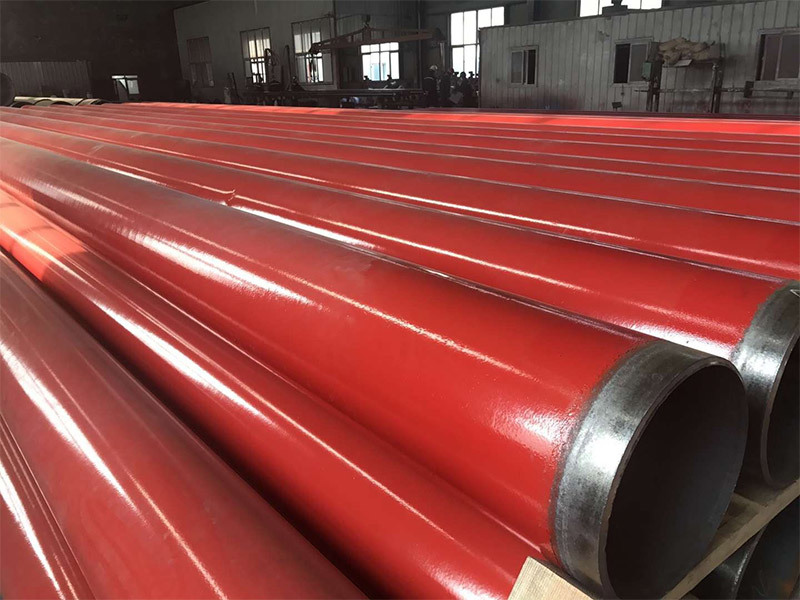
The Cost-Effectiveness of Using Anti-Corrosion ERW Steel Pipes in Construction Projects
Table of Contents
1. Introduction to ERW Steel Pipes
2. Understanding Corrosion and Its Impact on Steel Pipes
3. The Advantages of Anti-Corrosion ERW Steel Pipes
3.1 Enhanced Durability
3.2 Cost Savings on Maintenance
3.3 Environmental Benefits
4. Comparative Cost Analysis
5. Applications in Various Industries
5.1 Construction
5.2 Oil and Gas
5.3 Water Supply Systems
6. Installation and Maintenance Considerations
7. Frequently Asked Questions (FAQs)
8. Conclusion
1. Introduction to ERW Steel Pipes
Electric Resistance Welded (ERW) steel pipes have gained significant popularity in various construction applications due to their strength, affordability, and availability. These pipes are manufactured using a process that involves rolling steel sheets and welding the edges together, creating a robust yet lightweight product. The introduction of **anti-corrosion coatings** has further enhanced the appeal of ERW pipes, offering an effective solution for projects exposed to harsh environmental conditions.
2. Understanding Corrosion and Its Impact on Steel Pipes
Corrosion is a natural process that affects all metals, particularly in environments with moisture, salts, and chemicals. For construction projects, corrosion can lead to severe structural issues, increased repair costs, and compromised safety. The degradation of steel pipes due to corrosion can result in leaks, structural failures, and other significant hazards, making it essential to address this issue proactively.
3. The Advantages of Anti-Corrosion ERW Steel Pipes
Utilizing anti-corrosion ERW steel pipes provides several benefits that can significantly enhance project outcomes.
3.1 Enhanced Durability
Anti-corrosion coatings, such as epoxy or galvanization, protect steel from environmental factors that contribute to corrosion. This added layer of protection significantly extends the lifespan of the pipes, ensuring they remain functional and reliable over the long term.
3.2 Cost Savings on Maintenance
While the initial investment in anti-corrosion ERW steel pipes might be slightly higher than standard options, the savings on maintenance and replacement costs are undeniable. Reduced corrosion leads to fewer repairs, less downtime, and lower overall project expenses.
3.3 Environmental Benefits
Choosing anti-corrosion ERW steel pipes aligns with sustainable building practices. These pipes require fewer resources over their lifecycle, reducing the environmental footprint of construction projects. Moreover, their longevity means less waste and fewer materials sent to landfills.
4. Comparative Cost Analysis
When evaluating the cost-effectiveness of anti-corrosion ERW steel pipes, it is essential to consider both upfront costs and long-term savings. A comparative analysis reveals that while traditional steel pipes may seem more economical initially, the total cost of ownership—including maintenance, repairs, and replacements—can be significantly higher. By investing in anti-corrosion solutions, project managers can ensure that their budgets are optimized over time.
5. Applications in Various Industries
Anti-corrosion ERW steel pipes are versatile and find applications across multiple sectors.
5.1 Construction
In construction, these pipes are commonly used for structural purposes, water distribution systems, and sewage systems. Their resistance to corrosion ensures that infrastructure remains intact and functional for many years.
5.2 Oil and Gas
The oil and gas industry demands high-performance materials that can withstand extreme conditions. Anti-corrosion ERW steel pipes provide reliable solutions for transporting crude oil, natural gas, and other resources.
5.3 Water Supply Systems
Water supply systems are particularly vulnerable to corrosion. Utilizing anti-corrosion ERW steel pipes ensures that the integrity of water distribution remains uncompromised, providing clean water without the risk of contamination.
6. Installation and Maintenance Considerations
Proper installation of anti-corrosion ERW steel pipes is crucial for maximizing their lifespan. It is essential to follow industry best practices to ensure that the pipes are installed correctly, minimizing the risk of future issues. Regular inspections and maintenance can further prolong their effectiveness, allowing for early detection of any potential corrosion or damage.
7. Frequently Asked Questions (FAQs)
Q1: What are the main benefits of using anti-corrosion ERW steel pipes?
A1: The primary benefits include enhanced durability, cost savings on maintenance, and environmental sustainability.
Q2: How do anti-corrosion coatings work?
A2: Anti-corrosion coatings create a barrier between the steel and environmental factors that contribute to corrosion, significantly prolonging the life of the pipes.
Q3: Are anti-corrosion ERW steel pipes more expensive than standard pipes?
A3: While initial costs may be higher, the long-term savings on maintenance and repairs often make them more cost-effective.
Q4: In which industries are anti-corrosion ERW steel pipes commonly used?
A4: They are widely used in construction, oil and gas, and water supply systems, among other applications.
Q5: What maintenance is required for anti-corrosion ERW steel pipes?
A5: Regular inspections for any signs of damage or corrosion are essential. Additionally, following proper installation guidelines can minimize maintenance needs.
8. Conclusion
In conclusion, the cost-effectiveness of using anti-corrosion ERW steel pipes in construction projects cannot be overstated. By investing in these durable and reliable materials, project managers can ensure the safety, efficiency, and longevity of their infrastructures. The enhanced durability, coupled with significant cost savings on maintenance and repairs, makes anti-corrosion ERW steel pipes an excellent choice for a wide range of applications. As industries continue to prioritize sustainability and efficiency, the adoption of these innovative materials will undoubtedly pave the way for successful and enduring construction projects.











E-MAIL:
WHATSAPP:
ADD:
Mengcun County Cangzhou City Hebei Province, China 061000