


 CN
 EN
 RU
 ES
 AR


Pipe Pile Clutch Welding: A Comprehensive Overview for Engineers
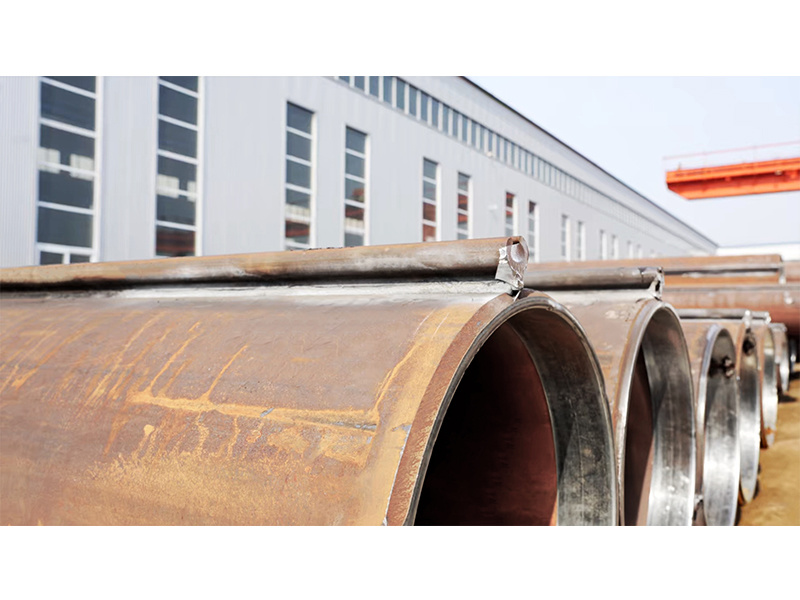
Pipe Pile Clutch Welding: A Comprehensive Overview for Engineers
Table of Contents
- What is Pipe Pile Clutch Welding?
- Importance of Clutch Welding in Engineering
- Materials Used in Pipe Pile Clutch Welding
- Welding Techniques for Pipe Pile Clutches
- Equipment Required for Clutch Welding
- Safety Practices in Pipe Pile Clutch Welding
- Common Challenges and Solutions in Welding
- The Future of Pipe Pile Clutch Welding
- Conclusion
- FAQs
What is Pipe Pile Clutch Welding?
Pipe pile clutch welding is a specialized welding process used to join pipe piles with clutch mechanisms, providing structural integrity and support for various engineering applications. This technique is particularly crucial in offshore structures, bridge foundations, and other heavy-duty applications where stability and strength are paramount. By understanding the intricacies of this welding process, engineers can ensure the longevity and safety of their projects.
Importance of Clutch Welding in Engineering
The role of clutch welding in engineering cannot be overstated. It facilitates the creation of strong, reliable connections that are essential for the stability of structures. In construction, improper welding can lead to catastrophic failures, making it critical for engineers to grasp the importance of proper techniques and materials. Furthermore, effective clutch welding techniques can enhance the load-bearing capacity of structures, ensuring they withstand environmental stresses.
Enhanced Structural Integrity
One of the primary benefits of pipe pile clutch welding is the enhanced structural integrity it offers. This welding technique provides a solid bond that can resist heavy loads and environmental factors, thereby increasing the lifespan of structures.
Cost-Effective Solutions
Properly executed clutch welding can lead to significant cost savings by reducing the need for repairs and replacements. By investing in quality welding practices, engineers can minimize future expenses associated with structural failures.
Materials Used in Pipe Pile Clutch Welding
The choice of materials in pipe pile clutch welding is crucial for achieving optimal results. Engineers must select materials that can withstand the specific environmental conditions and load requirements of their projects.
Steel and Its Alloys
Steel is the most commonly used material for pipe piles due to its strength and durability. Various steel alloys may be employed to enhance specific properties, such as corrosion resistance and weldability.
Welding Consumables
Welding consumables, including electrodes and filler materials, play a vital role in the quality of the weld. Selecting the appropriate consumables based on the base material is essential for achieving strong joints.
Welding Techniques for Pipe Pile Clutches
Different welding techniques can be utilized for pipe pile clutch welding, each with its advantages and applications. Understanding these techniques enables engineers to choose the most suitable method for their specific project needs.
Shielded Metal Arc Welding (SMAW)
SMAW, or stick welding, is a common technique for joining pipe piles. It is versatile and can be used in various positions, making it ideal for construction sites with limited access.
Tungsten Inert Gas (TIG) Welding
TIG welding is known for producing high-quality welds with excellent precision. This method is particularly useful for thin-walled pipe piles where a clean finish is essential.
Gas Metal Arc Welding (GMAW)
GMAW, or MIG welding, offers high welding speeds and is suitable for automatic or semi-automatic processes. This technique is often employed when efficiency is a priority.
Equipment Required for Clutch Welding
Proper equipment is essential for effective pipe pile clutch welding. Engineers must invest in quality tools and machinery to ensure safe and efficient operations.
Welding Machines
Welding machines vary based on the technique being used. For example, SMAW requires power sources that can support electrode sizes, while TIG welding necessitates machines with precise current control.
Safety Gear
Personal protective equipment (PPE) is critical in welding operations. Engineers and welders must use safety helmets, gloves, and protective clothing to minimize the risk of injuries.
Welding Accessories
Additional accessories such as clamps, fixtures, and back purging equipment for TIG welding can significantly enhance the welding process and ensure high-quality results.
Safety Practices in Pipe Pile Clutch Welding
Safety should always be a priority in welding operations. Implementing safety practices can prevent accidents and ensure a secure working environment.
Hazard Identification and Risk Assessment
Conducting a thorough hazard identification and risk assessment before starting any welding project is imperative. This process helps to identify potential risks and develop appropriate mitigation strategies.
Proper Ventilation
Ensuring adequate ventilation is vital to prevent exposure to harmful fumes and gases produced during the welding process. Engineers should assess work environments and implement ventilation solutions accordingly.
Training and Certification
Welders should undergo proper training and certification to ensure they are skilled in the techniques and safety measures necessary for effective pipe pile clutch welding. Regular training updates can keep them informed of the latest advancements.
Common Challenges and Solutions in Welding
Welding processes are not without their challenges. Understanding these common issues and how to address them can lead to more efficient and effective welding operations.
Weld Defects
Weld defects such as cracks, porosity, and incomplete fusion can compromise the integrity of the weld. Regular inspection and adherence to best practices can mitigate these issues.
Material Compatibility
Using incompatible materials can lead to weak joints and failures. Engineers must ensure that the selected materials are compatible and suitable for the intended application.
The Future of Pipe Pile Clutch Welding
The field of pipe pile clutch welding is evolving with advancements in technology and materials. The future holds the promise of more efficient processes and improved welding techniques.
Automation and Robotics
Automation and robotics are transforming the welding industry, leading to increased precision and reduced labor costs. This trend is likely to continue as technology advances, making welding processes more efficient.
Innovative Materials
The development of innovative materials, such as high-strength alloys and composites, is paving the way for stronger and lighter pipe piles. These advancements can significantly enhance the performance of welded joints.
Conclusion
Understanding pipe pile clutch welding is essential for engineers involved in construction and infrastructure development. By mastering the techniques, materials, and safety practices associated with this specialized form of welding, professionals can ensure the structural integrity and longevity of their projects. As the industry evolves, staying informed about advancements in technology and materials will be crucial for maintaining a competitive edge. With a commitment to quality and safety, engineers can contribute to the successful execution of complex engineering projects across various sectors.
FAQs
1. What is the primary purpose of pipe pile clutch welding?
The primary purpose of pipe pile clutch welding is to create strong, reliable connections between pipe piles, ensuring structural integrity for various engineering applications.
2. What materials are commonly used in pipe pile clutch welding?
Common materials include steel and its alloys, along with appropriate welding consumables such as electrodes and filler materials.
3. What are the common welding techniques used for pipe pile clutch welding?
Common techniques include Shielded Metal Arc Welding (SMAW), Tungsten Inert Gas (TIG) welding, and Gas Metal Arc Welding (GMAW).
4. How can engineers ensure safety during welding operations?
Engineers can ensure safety by conducting hazard assessments, providing proper ventilation, and ensuring welders receive adequate training and certification.
5. What challenges are commonly faced in pipe pile clutch welding?
Common challenges include weld defects, material compatibility issues, and the need for regular inspections to ensure quality and integrity.











E-MAIL:
WHATSAPP:
ADD:
Mengcun County Cangzhou City Hebei Province, China 061000