


 CN
 EN
 RU
 ES
 AR


Future-Proof Your Infrastructure with Anti-Corrosion SAW Steel Pipes: The Ultimate Guide to Durability and Reliability
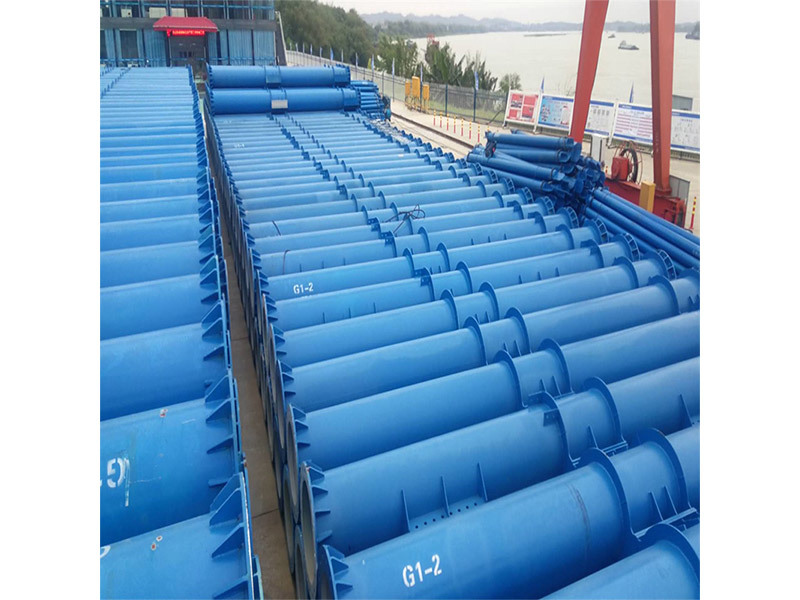
Future-Proof Your Infrastructure with Anti-Corrosion SAW Steel Pipes
Introduction: Understanding the Importance of Anti-Corrosion Steel Pipes
In today’s ever-changing construction landscape, the integrity of infrastructure is paramount. Corrosion can lead to costly repairs, safety hazards, and project delays. Anti-Corrosion SAW (Submerged Arc Welded) Steel Pipes emerge as a reliable solution to combat these challenges. This article provides an in-depth exploration of how these pipes can shield your projects against corrosion, ensuring durability, reliability, and cost-effectiveness.
Table of Contents
1. What Are Anti-Corrosion SAW Steel Pipes?
2. Benefits of Using Anti-Corrosion SAW Steel Pipes
2.1 Enhanced Durability
2.2 Cost-Effectiveness in the Long Run
2.3 Versatility in Applications
3. The Technology Behind Anti-Corrosion SAW Steel Pipes
4. Key Applications of Anti-Corrosion SAW Steel Pipes
4.1 Oil and Gas Industry
4.2 Water Supply Systems
4.3 Construction and Infrastructure Projects
5. Best Practices for Selecting Anti-Corrosion SAW Steel Pipes
6. Maintenance and Care for Long-lasting Performance
7. Frequently Asked Questions (FAQs)
8. Conclusion: Investing in a Corrosion-Resistant Future
1. What Are Anti-Corrosion SAW Steel Pipes?
Anti-Corrosion SAW Steel Pipes are specialized steel pipes designed to withstand environmental challenges that lead to corrosion. Utilizing submerged arc welding technology, these pipes offer a seamless structure that is both robust and resilient. The anti-corrosion treatment enhances their ability to resist rust, chemicals, and other corrosive agents, making them ideal for various applications.
2. Benefits of Using Anti-Corrosion SAW Steel Pipes
2.1 Enhanced Durability
Anti-Corrosion SAW Steel Pipes are engineered to endure harsh conditions. Their advanced coatings and treatments prevent oxidation and degradation, extending the lifespan of these pipes significantly compared to traditional materials. This durability is crucial for projects that demand reliability over time.
2.2 Cost-Effectiveness in the Long Run
While the initial investment in Anti-Corrosion SAW Steel Pipes may be higher than conventional options, the long-term savings are substantial. Reduced maintenance costs, fewer replacements, and avoidance of downtime attributed to corrosion-related failures make these pipes a cost-effective choice for infrastructure projects.
2.3 Versatility in Applications
From oil and gas transport to municipal water systems, Anti-Corrosion SAW Steel Pipes are versatile enough to meet various industry demands. Their adaptability allows for use in different environments, including underwater, underground, and exposed settings, making them suitable for numerous applications.
3. The Technology Behind Anti-Corrosion SAW Steel Pipes
The submerged arc welding process is a critical factor in the production of Anti-Corrosion SAW Steel Pipes. This method ensures a strong and consistent weld joint, which is vital for maintaining structural integrity. The application of anti-corrosive coatings, such as epoxy or polyurethane, further enhances their resistance to environmental factors. Understanding this technology is essential for making informed decisions regarding pipe selection.
4. Key Applications of Anti-Corrosion SAW Steel Pipes
4.1 Oil and Gas Industry
The oil and gas sector heavily relies on Anti-Corrosion SAW Steel Pipes for transporting hydrocarbons safely. Due to their ability to withstand extreme conditions and resist chemical corrosion, these pipes are essential for maintaining operational efficiency and safety.
4.2 Water Supply Systems
Municipal water systems benefit significantly from Anti-Corrosion SAW Steel Pipes as they ensure clean and safe water delivery. The pipes' resistance to corrosion minimizes the risk of contamination and ensures the longevity of the infrastructure.
4.3 Construction and Infrastructure Projects
In construction, Anti-Corrosion SAW Steel Pipes are used in various applications, including scaffolding, plumbing, and structural supports. Their strength and resistance to environmental wear make them ideal for construction projects requiring long-term reliability.
5. Best Practices for Selecting Anti-Corrosion SAW Steel Pipes
Choosing the right Anti-Corrosion SAW Steel Pipes is crucial for the success of any project. Consider the following best practices:
1. **Assess the Environmental Conditions**: Understand the specific environmental factors your pipes will face, such as humidity, chemical exposure, and temperature fluctuations.
2. **Evaluate the Pipe Specifications**: Look for pipes that meet industry standards and specifications, ensuring compatibility with your project requirements.
3. **Consider the Coating Options**: Different coatings offer varying levels of protection. Choose a coating that aligns with your specific needs.
4. **Consult with Experts**: Engage with suppliers and industry experts to gain insights into the best products for your particular application.
6. Maintenance and Care for Long-lasting Performance
Even the best Anti-Corrosion SAW Steel Pipes require some level of maintenance to ensure optimal performance. Regular inspections for signs of wear, proper cleaning to remove harmful deposits, and timely repairs can significantly extend the lifespan of your infrastructure. Keeping a maintenance schedule helps identify potential issues before they escalate into major problems, ensuring your investment remains sound.
7. Frequently Asked Questions (FAQs)
What is the lifespan of Anti-Corrosion SAW Steel Pipes?
The lifespan can vary based on environmental conditions, but these pipes can last anywhere from 30 to 50 years with proper care.
How do Anti-Corrosion SAW Steel Pipes compare to traditional steel pipes?
Unlike traditional steel pipes, Anti-Corrosion SAW Steel Pipes are specifically designed to resist corrosion, making them a more durable and cost-effective option in the long run.
What maintenance is required for Anti-Corrosion SAW Steel Pipes?
Routine inspections, cleaning, and addressing any early signs of wear are essential maintenance practices to ensure longevity.
Can Anti-Corrosion SAW Steel Pipes be used in extreme temperatures?
Yes, these pipes are designed to withstand a range of temperatures, making them suitable for various applications, including extreme environments.
Where can I find suppliers of Anti-Corrosion SAW Steel Pipes?
You can find suppliers through industry directories, trade shows, and online marketplaces specializing in construction and building materials.
8. Conclusion: Investing in a Corrosion-Resistant Future
Incorporating Anti-Corrosion SAW Steel Pipes into your infrastructure projects is a proactive step toward ensuring durability and reliability. By understanding their benefits, applications, and best practices, you can make informed decisions that will ultimately save costs and enhance safety. Investing in these advanced pipes not only future-proofs your infrastructure but also contributes to sustainable and resilient construction practices, paving the way for a robust future.











E-MAIL:
WHATSAPP:
ADD:
Mengcun County Cangzhou City Hebei Province, China 061000