


 CN
 EN
 RU
 ES
 AR


Discover the Long-Term Benefits of Using Anti-Corrosion SAW Steel Pipes

Discover the Long-Term Benefits of Using Anti-Corrosion SAW Steel Pipes
In the dynamic landscape of construction and infrastructure development, the choice of materials plays a pivotal role in determining the longevity and sustainability of projects. **Anti-corrosion Submerged Arc Welded (SAW) steel pipes** have emerged as a preferred option for builders and engineers looking to ensure durability while minimizing maintenance costs. This article delves into the long-term benefits of these innovative pipes, highlighting their advantages in various applications.
Table of Contents
- 1. Introduction to Anti-Corrosion SAW Steel Pipes
- 2. What Are SAW Steel Pipes?
- 3. Advantages of Using Anti-Corrosion SAW Steel Pipes
- 4. Applications of Anti-Corrosion SAW Steel Pipes
- 5. Maintenance and Care for SAW Steel Pipes
- 6. Conclusion
- 7. FAQs
1. Introduction to Anti-Corrosion SAW Steel Pipes
The durability of construction materials is critical for any long-term project. Anti-corrosion SAW steel pipes have gained significant traction due to their unique properties that enhance lifespan while providing excellent resistance to various corrosive environments. These pipes are manufactured using submerged arc welding techniques, resulting in a robust, high-quality product that meets rigorous industry standards.
2. What Are SAW Steel Pipes?
Submerged Arc Welding (SAW) is a welding process that uses a continuous arc between a bare metal electrode and the workpiece to join components. In the context of steel pipes, this technique allows for the production of large-diameter pipes that exhibit superior mechanical properties. The anti-corrosion aspect is achieved through various coatings and treatments, providing additional protection against environmental factors such as moisture, chemicals, and extreme temperatures.
3. Advantages of Using Anti-Corrosion SAW Steel Pipes
Implementing anti-corrosion SAW steel pipes in construction and infrastructure projects offers multiple benefits that can lead to better performance and reduced operational costs.
3.1 Enhanced Durability
One of the most compelling benefits of anti-corrosion SAW steel pipes is their **enhanced durability**. These pipes are designed to withstand harsh environmental conditions, including:
- **Moisture:** Regular exposure to water can lead to rust and degradation. The anti-corrosion treatment significantly mitigates these risks.
- **Chemical Exposure:** In industries such as oil and gas, pipes often come into contact with corrosive substances. The protective layer on SAW steel pipes acts as a barrier, preventing chemical penetration and damage.
- **Temperature Extremes:** Fluctuating temperatures can cause expansion and contraction in materials. Anti-corrosion SAW steel pipes maintain their integrity across a broad temperature range.
3.2 Cost-Effectiveness
While the initial investment for anti-corrosion SAW steel pipes may be higher than conventional materials, the long-term savings outweigh the upfront costs. Key factors contributing to their **cost-effectiveness** include:
- **Reduced Maintenance Needs:** With enhanced resistance to corrosion, these pipes require less frequent inspections and repairs, saving time and labor costs.
- **Extended Lifespan:** The durability of anti-corrosion SAW steel pipes means they can last significantly longer than standard pipes, reducing the need for replacements and the associated costs.
- **Energy Efficiency:** In fluid transport systems, reduced friction and enhanced flow characteristics result in lower energy consumption.
3.3 Environmental Sustainability
The construction industry is increasingly focused on sustainable practices. Anti-corrosion SAW steel pipes contribute to **environmental sustainability** in several ways:
- **Recyclability:** Steel is one of the most recycled materials globally, reducing waste and environmental impact.
- **Reduced Resource Use:** By extending the lifespan of infrastructure, these pipes lower the demand for new materials, conserving natural resources.
- **Lower Environmental Impact:** Their durability minimizes the frequency of replacements and repairs, reducing the environmental footprint associated with manufacturing and transporting new materials.
4. Applications of Anti-Corrosion SAW Steel Pipes
Anti-corrosion SAW steel pipes are versatile and find applications across various industries. Their robust characteristics make them suitable for several critical applications.
4.1 Oil and Gas Industry
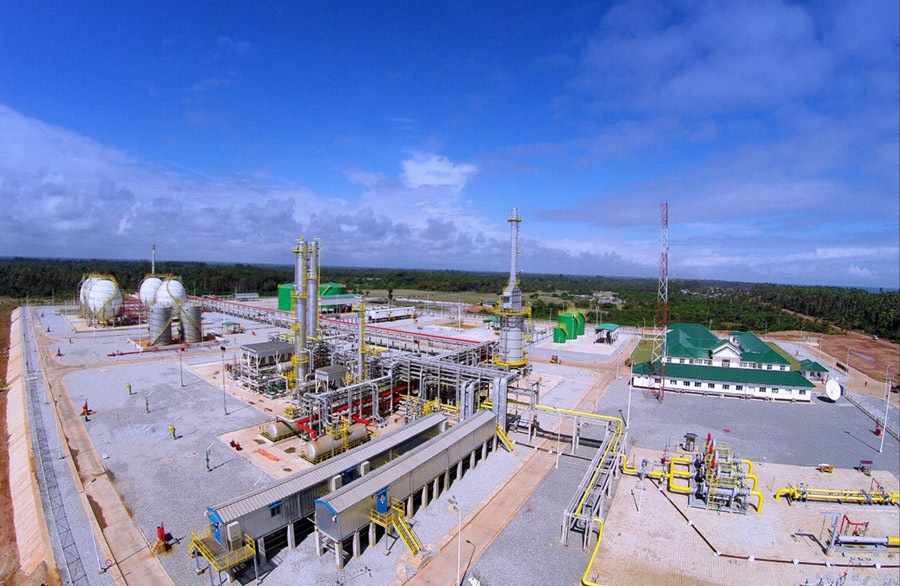
In the oil and gas sector, pipelines are exposed to extreme conditions and corrosive substances. Anti-corrosion SAW steel pipes are ideal for:
- **Transportation of crude oil and natural gas:** Their resistance to harsh chemicals and high pressures ensures safe transportation over long distances.
- **Offshore applications:** These pipes can withstand the corrosive marine environment, prolonging their operational lifespan.
4.2 Water Supply Systems
Water supply infrastructure demands materials that can resist corrosion while maintaining water quality. Anti-corrosion SAW steel pipes are used for:
- **Municipal water systems:** Their durability ensures a consistent supply of safe drinking water.
- **Irrigation systems:** In agriculture, these pipes help transport water efficiently, supporting crop growth and sustainability.
4.3 Construction and Infrastructure
Anti-corrosion SAW steel pipes are increasingly utilized in various construction applications, including:
- **Structural components:** These pipes can serve as critical load-bearing elements in building projects.
- **Utility conduits:** They provide essential pathways for electrical, telecommunications, and other utility lines.
5. Maintenance and Care for SAW Steel Pipes
While anti-corrosion SAW steel pipes are designed for durability, proper maintenance can further extend their lifespan. Here are essential maintenance practices:
- **Regular Inspections:** Conduct periodic checks for any signs of wear or damage, especially in high-stress areas.
- **Cleaning:** Keep pipes free from debris and contaminants to prevent localized corrosion.
- **Protective Coatings:** Reapply protective coatings as needed, especially in areas prone to wear or exposure.
6. Conclusion
The adoption of anti-corrosion SAW steel pipes presents a myriad of long-term benefits that significantly enhance the durability and sustainability of construction and infrastructure projects. From their remarkable resistance to corrosion and chemicals to their cost-effectiveness and versatility in various applications, these pipes stand out as a wise investment for any builder or engineer. As the industry continues to evolve, embracing innovative materials like anti-corrosion SAW steel pipes will not only safeguard financial interests but also contribute to a more sustainable future in construction.
7. FAQs
**Q1: What are anti-corrosion SAW steel pipes?**
A1: Anti-corrosion SAW steel pipes are large-diameter pipes made using the submerged arc welding process and treated with protective coatings to resist corrosion.
**Q2: How do anti-corrosion SAW steel pipes benefit the oil and gas industry?**
A2: They provide safe transportation of crude oil and gas, withstand harsh environmental conditions, and require less maintenance due to their corrosion-resistant properties.
**Q3: Are anti-corrosion SAW steel pipes suitable for water supply systems?**
A3: Yes, they are ideal for municipal and irrigation water systems, ensuring safe transport without degrading water quality.
**Q4: What maintenance practices are recommended for SAW steel pipes?**
A4: Regular inspections, cleaning, and reapplication of protective coatings are essential for maintaining the integrity of SAW steel pipes.
**Q5: How do anti-corrosion SAW steel pipes contribute to sustainability?**
A5: They are recyclable, reduce the need for new materials, and lower the environmental impact associated with frequent replacements, making them an eco-friendly choice in construction.






E-MAIL:
WHATSAPP:
ADD:
Mengcun County Cangzhou City Hebei Province, China 061000