


 CN
 EN
 RU
 ES
 AR


Understanding the Factors Influencing Further Processing Steel Pipe Prices
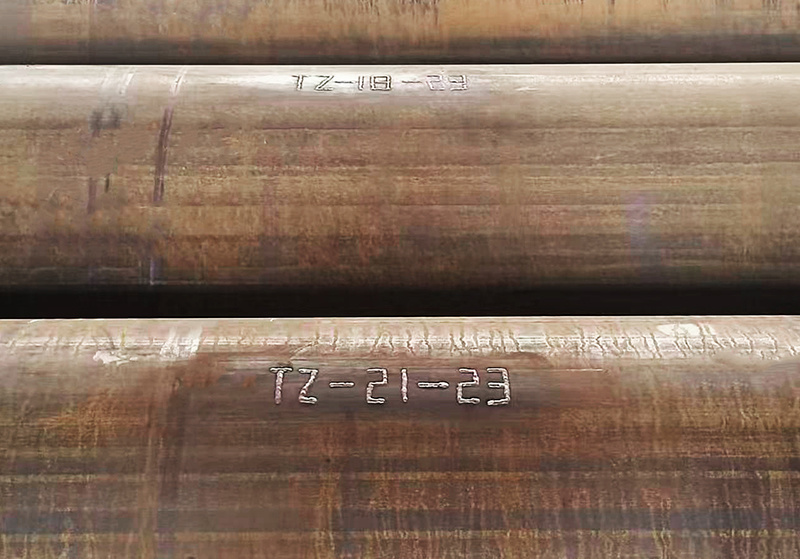
In the construction and decorative materials industry, the pricing of further processing steel pipes is influenced by a multitude of factors that professionals must consider when planning projects. Understanding these factors can help industry professionals better manage budgets and ensure optimal procurement strategies.
One primary factor influencing further processing steel pipe prices is the cost of raw materials. Steel prices are often subject to fluctuations based on market demand, availability, and global economic conditions. As demand for steel rises in various sectors, such as construction and manufacturing, the costs can increase, leading to higher prices for further processed steel pipes. Additionally, the quality of raw steel plays a significant role. Higher-grade steel typically commands a premium, affecting the final pricing of processed pipes.
Another critical element is the complexity of processing. Further processing can include operations like cutting, welding, bending, and coating. Each of these processes adds labor and equipment costs, which can significantly impact the overall price. For instance, pipes that require specialized treatments or custom dimensions will usually be priced higher than standard products. Understanding the specific processing requirements of a project is essential for accurately estimating costs.
Transportation and logistics also contribute to the pricing of steel pipes. The geographic location of both the supplier and the project site can affect shipping costs. If further processing requires transportation over long distances, this can add to the overall price. Additionally, fluctuations in fuel costs and availability of transportation services can also impact final pricing.
Market competition can lead to variations in prices for further processing steel pipes. Depending on the number of suppliers and the level of demand for specific types of pipes, prices may vary. Analyzing market trends and competitor pricing can provide valuable insights into potential cost variations.
Lastly, economic conditions and trade policies can influence further processing steel pipe prices. Tariffs, trade agreements, and overall economic stability can create uncertainty in the market, leading to fluctuations in pricing. Professionals should stay informed about these broader economic factors that may affect project budgets.
In summary, further processing steel pipe prices are influenced by a range of factors including raw material costs, processing complexity, transportation logistics, market competition, and economic conditions. Understanding these variables allows professionals in the construction and decorative materials industries to make informed decisions, optimize project budgets, and effectively manage procurement strategies.
Previous:











E-MAIL:
WHATSAPP:
ADD:
Mengcun County Cangzhou City Hebei Province, China 061000