


 CN
 EN
 RU
 ES
 AR


Enhancing Structural Integrity: The Importance of Further Processing Steel Pipes
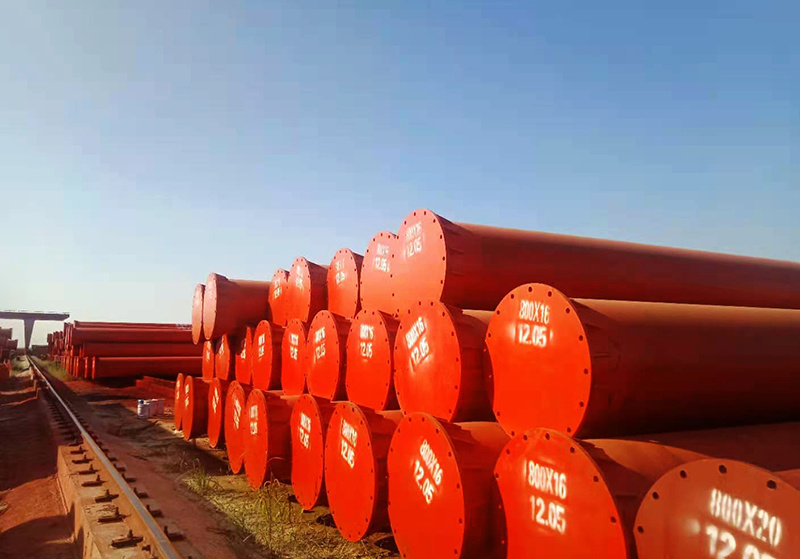
Further processing of steel pipes plays a crucial role in the construction and decoration materials industry, particularly when it comes to ensuring the integrity and durability of structural elements. Steel pipes, known for their strength and versatility, often undergo additional treatments and modifications to enhance their properties and suitability for specific applications.
One of the primary methods of further processing steel pipes is through heat treatment. This process involves subjecting the pipes to high temperatures followed by controlled cooling. Heat treatment can significantly increase the hardness and tensile strength of the steel, making it more resistant to deformation under load. This is especially important in construction, where pipes are frequently exposed to heavy loads and harsh environmental conditions.
Another method of further processing is surface treatment. Techniques such as galvanization, coating, or shot blasting can improve the corrosion resistance of steel pipes. Galvanization, for instance, involves applying a protective zinc layer to the surface, preventing rust and extending the service life of the pipes. This is essential for projects in areas with high humidity or exposure to chemicals, as it ensures the longevity and reliability of the materials used in construction.
Furthermore, the cutting and bending of steel pipes are also vital aspects of further processing. Customizing the dimensions and shapes of pipes allows for better integration into construction designs, ensuring that they fit perfectly into the intended structure. This precision not only enhances the aesthetic appeal of the finished product but also contributes to the overall structural stability and safety of the building.
Welding is another key process in further processing steel pipes, allowing them to be joined together to form larger structures or frameworks. Proper welding techniques ensure that the joints are strong and can withstand the stresses encountered during the life of the building. It is crucial for construction professionals to understand the different welding methods and their implications on the overall performance of the steel pipe assemblies.
In summary, further processing of steel pipes is essential for enhancing their mechanical properties, durability, and adaptability within the construction industry. From heat treatment and surface coatings to cutting, bending, and welding, each process contributes to the overall performance of steel pipes in various structural applications. By investing in these further processing techniques, construction projects can achieve greater reliability and longevity, ensuring that the structures remain safe and functional for years to come. Understanding these processes can help stakeholders make informed decisions when selecting materials for their construction needs, ultimately leading to better project outcomes.











E-MAIL:
WHATSAPP:
ADD:
Mengcun County Cangzhou City Hebei Province, China 061000