


 CN
 EN
 RU
 ES
 AR


Understanding the Factors Influencing Further Processing Steel Pipe Prices
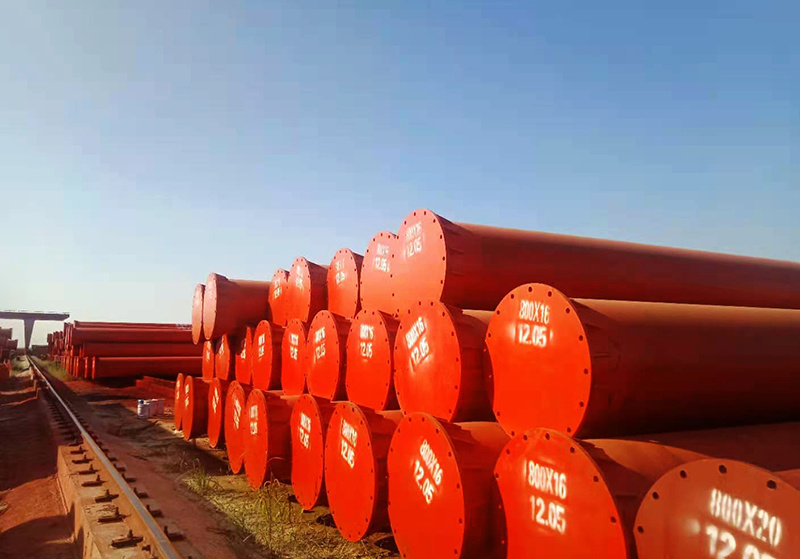
When it comes to the construction and decorative materials industry, particularly in the context of building pipes, understanding the dynamics of “further processing steel pipe price” is crucial for making informed purchasing and operational decisions. The price of further processed steel pipes can be influenced by several key factors that professionals in this field should consider.
Firstly, the raw material costs play a significant role. Steel is a commodity that is subject to global market fluctuations, influenced by supply and demand dynamics. When the prices of steel increase due to factors such as mining costs, trade regulations, or geopolitical tensions, the price of further processed steel pipes is likely to rise as well. Thus, staying informed about the trends in raw material prices can provide insights into potential cost increases.
Secondly, the complexity of the further processing involved in producing steel pipes also affects pricing. Further processing can include various operations such as cutting, welding, coating, and finishing. Each of these processes requires specialized machinery and skilled labor, which adds to the overall manufacturing cost. For instance, pipes that undergo advanced coating processes to enhance corrosion resistance may carry a higher price tag compared to standard pipes. Understanding the specifics of these processing techniques can help businesses evaluate the cost versus benefit of different pipe options.
Additionally, market demand plays a pivotal role. In periods of high construction activity, the demand for steel pipes tends to increase, resulting in higher prices. Conversely, during economic downturns or reduced construction activity, prices may decline. By keeping an eye on market growth trends and construction forecasts, stakeholders can better anticipate price movements and plan their procurement strategies accordingly.
Another factor to consider is the quality specifications of the steel pipes. Higher quality standards, such as those required for specific architectural applications or structural integrity, can lead to increased costs. Clients looking for pipes that meet stringent quality standards must be prepared for a corresponding increase in price, as manufacturers invest in quality assurance and compliance measures.
Finally, regional differences in pricing can also be significant. Transportation costs, local regulations, and availability of processing facilities can all influence the final price of further processed steel pipes. Companies operating in different regions may encounter variations in pricing based on these local factors.
In conclusion, a thorough understanding of the factors influencing further processing steel pipe prices is essential for professionals in the construction and decorative materials field. By keeping abreast of raw material costs, processing complexities, market demand, quality standards, and regional variances, stakeholders can make more informed decisions that align with their financial objectives.











E-MAIL:
WHATSAPP:
ADD:
Mengcun County Cangzhou City Hebei Province, China 061000