


 CN
 EN
 RU
 ES
 AR


Understanding Anti-Corrosion ERW Steel Pipe Suppliers: A Comprehensive Guide for the Construction Industry
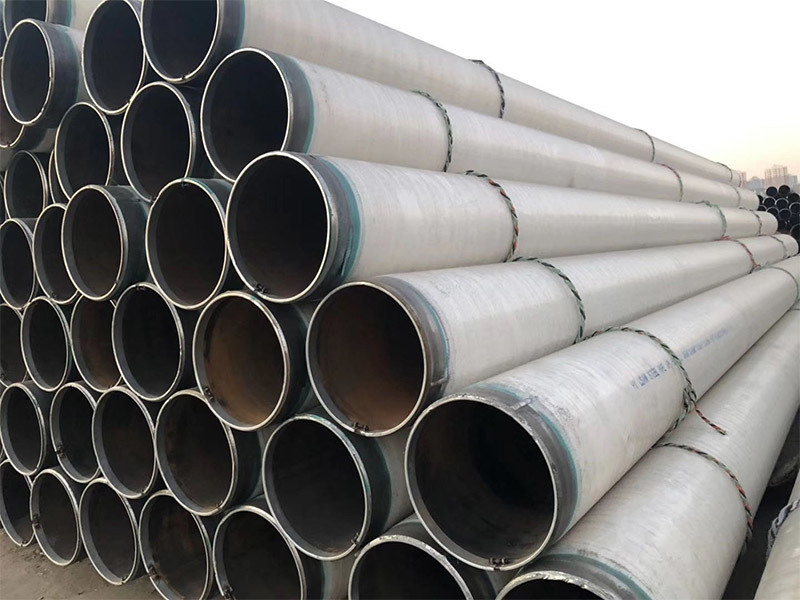
When it comes to the construction industry, using high-quality materials is paramount, especially in the case of ERW (Electric Resistance Welded) steel pipes. These pipes are widely utilized due to their strength, versatility, and ease of installation. However, one of the pressing concerns is their susceptibility to corrosion, which can compromise structural integrity over time. Therefore, seeking anti-corrosion ERW steel pipe suppliers becomes essential for achieving longevity and performance in construction applications.
Anti-corrosion treatments can significantly enhance the lifespan of ERW steel pipes. Suppliers often employ various methods for corrosion resistance, including galvanization, coating with protective paint, or using advanced alloying techniques. It's important to understand these options and how they can affect the overall performance of the pipes in specific environmental conditions.
When evaluating potential suppliers, consider their experience and reputation within the industry. Established anti-corrosion ERW steel pipe suppliers will typically have a track record of adhering to industry standards and regulations. Investigating case studies or client testimonials can provide valuable insights into the reliability of the suppliers and the performance of their products in real-world applications.
Additionally, the sourcing of raw materials is a crucial factor. Suppliers who prioritize high-quality steel and adhere to stringent quality control measures are more likely to provide anti-corrosion ERW steel pipes that meet your project's requirements. Look for suppliers who can provide detailed specifications and certifications for their materials, ensuring they align with the necessary construction standards.
Moreover, consider the supplier's ability to offer customization options. Projects may have unique requirements regarding pipe dimensions, coatings, or additional corrosion-resistant features. A flexible supplier that can accommodate specific needs can save you time and resources in the long run.
Lastly, the logistics and delivery capabilities of potential suppliers should not be overlooked. Efficient supply chain management ensures that you receive your anti-corrosion ERW steel pipes on time, avoiding delays in your construction schedule. Suppliers who offer transparent communication and tracking options can help you maintain control over your project timelines.
In conclusion, choosing the right anti-corrosion ERW steel pipe suppliers involves a thorough evaluation of their experience, product quality, customization options, and logistics capabilities. By taking the time to research and understand these factors, you can ensure that your construction projects benefit from durable, high-performance materials that will stand the test of time.
Previous:











E-MAIL:
WHATSAPP:
ADD:
Mengcun County Cangzhou City Hebei Province, China 061000