


 CN
 EN
 RU
 ES
 AR


Understanding Factors Influencing Further Processing Steel Pipe Prices
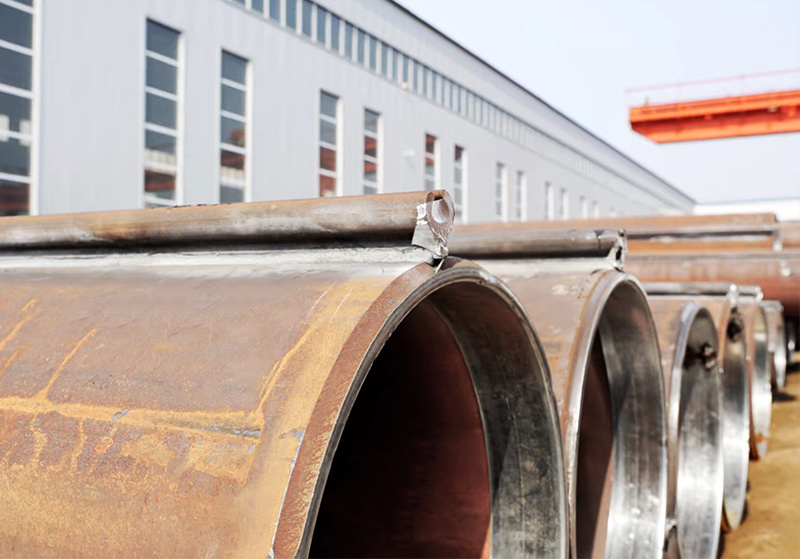
When it comes to the pricing of further processing steel pipes, several critical factors come into play. Understanding these elements is essential for professionals in the construction and decoration materials industry. Steel pipes are widely used in various applications, and their prices can fluctuate based on a multitude of influences.
One of the primary factors affecting further processing steel pipe prices is the cost of raw materials. The price of steel itself can vary due to changes in production levels, demand in other sectors, and global market conditions. Any increase in the cost of steel directly impacts the manufacturing expenses of steel pipes, leading to potential price adjustments in further processing stages.
Additionally, processing techniques play a significant role in determining the final pricing of steel pipes. The methods used for cutting, welding, coating, and finishing can affect labor costs and the complexity of production. As manufacturers adopt more advanced technologies and automation in their processes, the production efficiency may improve, but the initial investment in technology can also contribute to higher prices in the short term.
Market demand is another crucial factor influencing prices. In periods of high construction activity, the demand for further processed steel pipes tends to rise, which can lead to increased prices. Conversely, in slower economic times, demand may diminish, causing prices to stabilize or decrease. Tracking construction trends, such as new projects or government infrastructure initiatives, is essential for anticipating market movements.
Supply chain issues can also have a significant impact on further processing steel pipe prices. Disruptions in the supply chain, whether due to logistical challenges, trade policies, or natural disasters, can lead to shortages of raw materials or delays in production. Such interruptions can escalate costs and subsequently affect pricing strategies.
In addition, regulatory factors and environmental considerations are becoming increasingly relevant. Compliance with industry standards and environmental regulations may require additional investments in processing equipment or techniques, which can also be reflected in the pricing of further processed steel pipes.
Finally, competition within the market can influence pricing strategies. As more manufacturers enter the sector, price wars can ensue, leading to competitive pricing. However, companies that focus on quality and innovation may retain higher prices based on perceived value, which can create a unique market dynamic.
In conclusion, the pricing of further processing steel pipes is influenced by a confluence of factors, including raw material costs, processing techniques, market demand, supply chain issues, regulatory requirements, and competitive dynamics. By staying informed about these elements, professionals in the construction and decoration materials industry can navigate the complexities of pricing and make strategic decisions for their projects.











E-MAIL:
WHATSAPP:
ADD:
Mengcun County Cangzhou City Hebei Province, China 061000