


 CN
 EN
 RU
 ES
 AR


Enhancing Steel Pipes: The Importance of Further Processing in Construction
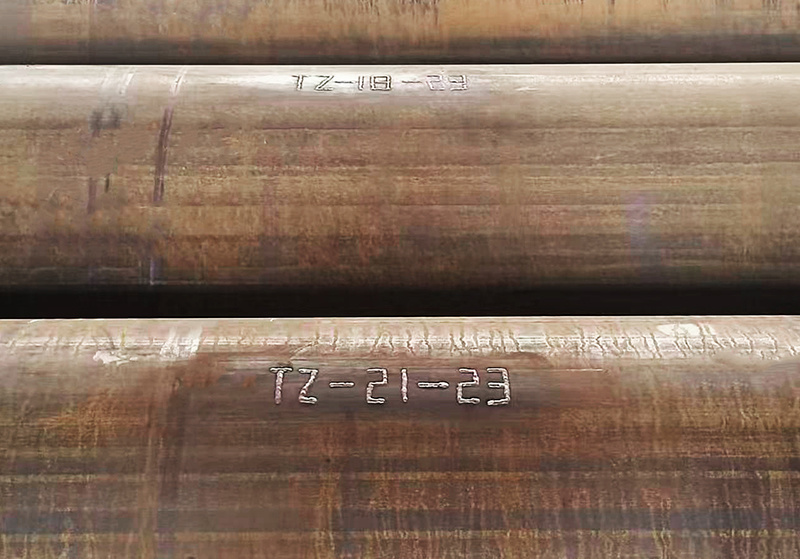
In the construction industry, steel pipes are integral components used for various applications, including structural support, fluid transport, and aesthetic elements. However, the raw steel pipe often requires further processing to meet specific project requirements and performance standards. This additional processing can encompass a range of techniques, including cutting, welding, coating, and bending. Each method serves to enhance the functionality and longevity of the steel pipes while ensuring they meet the precise specifications needed for construction projects.
One of the primary advantages of further processing steel pipes is the customization it allows. By employing cutting and bending techniques, contractors can fabricate pipes to fit unique dimensions and angles, accommodating various architectural designs. This custom work not only enhances the aesthetic appeal of the structure but also optimizes space utilization, providing a more efficient layout.
Welding is another critical process in further processing steel pipes. It ensures that pipes can be securely joined together, creating a robust framework for structural integrity. Properly welded joints can withstand significant stress and load, making them essential for high-rise buildings and other demanding construction projects. Furthermore, skilled welding can also enhance the visual appeal of the final product, contributing to a polished and professional appearance.
Coating is equally important in further processing steel pipes, as it offers protection against corrosion, which is crucial in prolonging the lifespan of the material. Various coating techniques, such as galvanizing or applying epoxy finishes, can provide a barrier against environmental factors, ensuring the pipes remain functional and visually appealing over time. This aspect of further processing is especially relevant in construction projects where pipes are exposed to harsh weather conditions or aggressive chemical environments.
Additionally, further processing can improve the overall quality of steel pipes. Employing quality control measures during processing ensures that any potential defects are identified and rectified. This proactive approach minimizes the risk of failure in the field, which can lead to costly repairs and project delays.
In conclusion, further processing steel pipes is a vital step in the construction industry, allowing for customization, enhanced performance, and increased durability. By understanding and utilizing these processing techniques, professionals can ensure that the steel pipes used in their projects meet the highest standards, resulting in successful and enduring structures. Investing in further processing not only improves project outcomes but also contributes to the overall safety and reliability of construction materials.











E-MAIL:
WHATSAPP:
ADD:
Mengcun County Cangzhou City Hebei Province, China 061000