


 CN
 EN
 RU
 ES
 AR


Understanding the Factors Influencing Further Processing Steel Pipe Prices
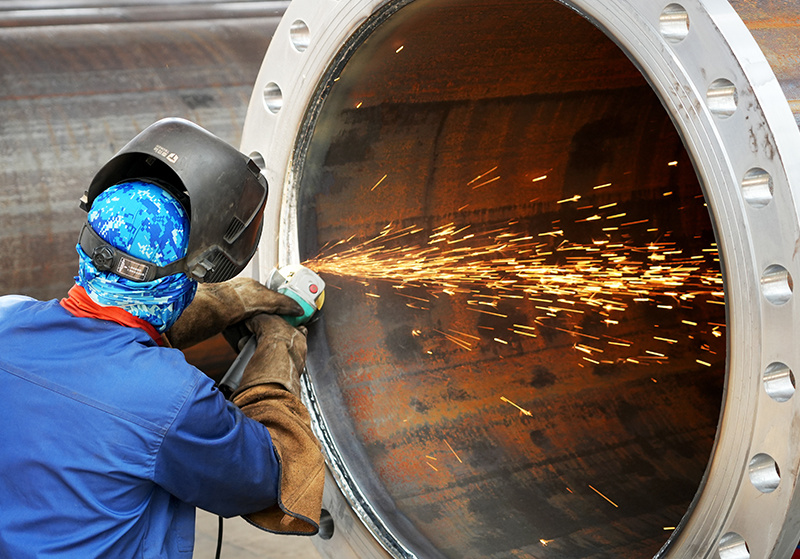
When it comes to the construction and decoration materials industry, the price of further processing steel pipes is a crucial aspect that businesses must consider. Understanding the factors that influence these prices can empower clients to make better purchasing decisions. Several elements contribute to the pricing of further processed steel pipes, including raw material costs, processing techniques, market demand, and geographical influences.
First and foremost, raw material costs play a significant role in determining the price of steel pipes. Prices of steel are influenced by global commodity markets, where fluctuating demand and supply affect overall costs. For instance, if there is a surge in demand for iron ore or scrap steel, the prices for these raw materials will increase, thereby impacting the final cost of further processed steel pipes.
Processing techniques also significantly affect pricing. Different methods such as welding, cutting, and surface treatment may vary in complexity and resource intensity. For example, more intricate processing techniques might require specialized machinery and skilled labor, leading to higher operational costs that are ultimately passed on to consumers. Therefore, understanding the nuances of various processing methods can give clients a glimpse into why certain steel pipes may be priced higher than others.
Market demand is another critical factor to consider. In periods of high construction activity, the demand for steel pipes tends to spike. This increased demand can lead to higher prices, especially if supply is not able to keep pace. Conversely, during downturns in the construction industry, prices may stabilize or even decrease, reflecting the lower demand for further processed steel pipes. Clients should keep an eye on market trends to better predict price fluctuations.
Geographical influences can also play a pivotal role in pricing decisions. Transportation costs, local regulations, and regional market dynamics can all affect the final price of further processed steel pipes. In regions where raw materials are scarce or transportation costs are high, prices may be elevated compared to areas with accessible resources and efficient logistics.
Finally, it is essential for clients to stay informed about the broader context surrounding further processing steel pipe prices. By understanding the interplay of these factors—raw material costs, processing techniques, market demand, and geographical influences—clients can gain valuable insights that will aid them in making informed purchasing decisions. This knowledge not only helps in understanding price variations but also assists in budgeting for future projects.
In conclusion, being aware of the elements that influence further processing steel pipe prices can empower clients in the construction and decoration materials industry. By staying informed and vigilant, businesses can navigate the complexities of the market more effectively.











E-MAIL:
WHATSAPP:
ADD:
Mengcun County Cangzhou City Hebei Province, China 061000