


 CN
 EN
 RU
 ES
 AR


Understanding Further Processing of Steel Pipes in Construction
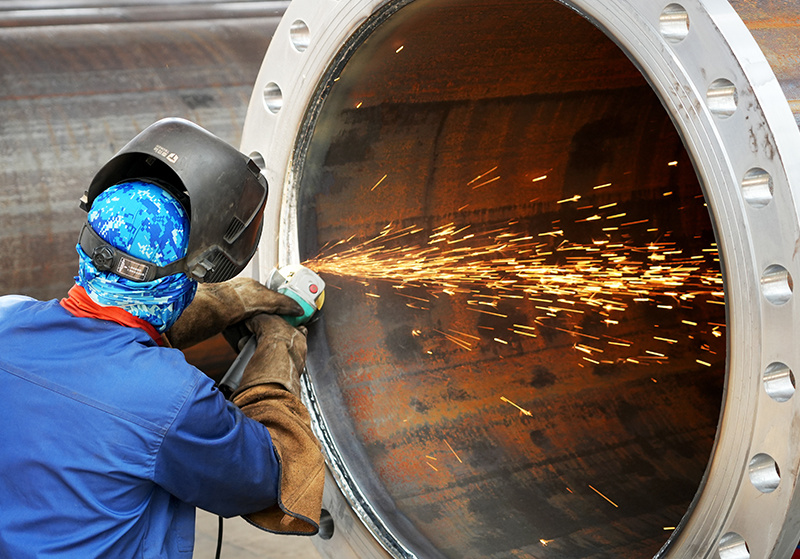
When it comes to construction and decorative materials, the term "further processing steel pipe" refers to the additional treatments and modifications that steel pipes undergo after their initial manufacturing. This process is crucial for meeting specific requirements in building applications and ensuring that the final products are suited for various environmental conditions and structural needs.
Further processing methods can include cutting, bending, welding, coating, and surface treatment. Each technique plays an important role in enhancing the functionality and durability of steel pipes. For example, cutting allows pipes to be tailored to specific lengths required for projects, while bending enables them to fit into intricate designs and layouts within a structure.
Welding is another critical process, especially for applications that require the joining of multiple steel pipe sections. Proper welding techniques ensure strong, reliable connections that can withstand the stresses and loads imposed in construction scenarios. Additionally, the use of quality welding materials and methods can significantly enhance the overall integrity of the structure.
Coating and surface treatment also play vital roles in further processing steel pipes. These methods are employed to protect the steel from corrosion, environmental damage, and wear over time. Coatings such as galvanization or paint can create a barrier that prevents rust, thereby extending the lifespan of the pipes and maintaining their aesthetic appeal. Furthermore, surface treatments can enhance the steel's resistance to high temperatures and chemicals, making them suitable for a broader range of applications.
In the context of construction, the further processing of steel pipes is not just about improving performance; it also involves compliance with industry standards and regulations. Different projects may have distinct requirements regarding materials, pressure ratings, and environmental considerations. By opting for further processed steel pipes, builders and contractors can ensure that they are using products that meet these standards while also optimizing their construction processes.
In conclusion, further processing of steel pipes is an essential aspect of their application in the construction and decorative materials industry. Through techniques such as cutting, bending, welding, and coating, steel pipes can be transformed into high-performance components that meet the specific needs of various projects. This not only enhances the durability and functionality of the materials but also contributes to the overall success of construction endeavors. Embracing these processes ensures that steel pipes can withstand the test of time and deliver the reliability expected in modern construction projects.
Previous:











E-MAIL:
WHATSAPP:
ADD:
Mengcun County Cangzhou City Hebei Province, China 061000