


 CN
 EN
 RU
 ES
 AR


Exploring the Benefits of Anti-Corrosion SAW Steel Pipes in Modern Architecture
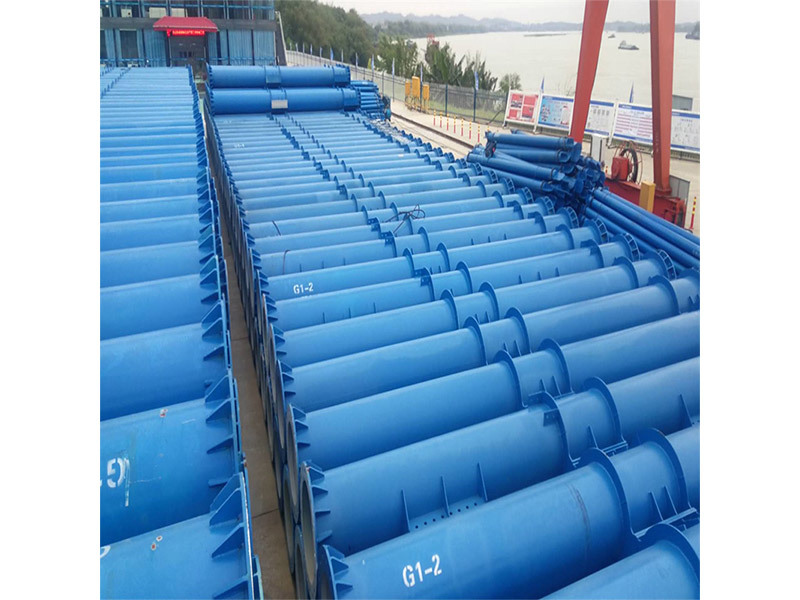
Exploring the Benefits of Anti-Corrosion SAW Steel Pipes in Modern Architecture
Table of Contents
1. Introduction to SAW Steel Pipes
2. Understanding Anti-Corrosion Technologies
3. The Role of SAW Steel Pipes in Modern Architecture
4. Key Benefits of Anti-Corrosion SAW Steel Pipes
4.1 Enhanced Durability and Longevity
4.2 Cost-Effectiveness and Economic Viability
4.3 Environmental Benefits
4.4 Versatile Applications in Construction
5. Comparing Traditional Steel Pipes and Anti-Corrosion SAW Steel Pipes
6. Installation and Maintenance Considerations
7. Future Trends in SAW Steel Pipe Usage
8. FAQs about Anti-Corrosion SAW Steel Pipes
9. Conclusion
1. Introduction to SAW Steel Pipes
SAW steel pipes, or Submerged Arc Welded steel pipes, are a type of welded pipe well-known in the construction and architectural industries. These pipes are created through a unique welding process where the arc is submerged beneath a blanket of granular flux, resulting in a robust and high-quality weld. As architecture continues to evolve, the need for durable and sustainable materials is paramount, making SAW steel pipes an indispensable component of modern structures.
2. Understanding Anti-Corrosion Technologies
Corrosion is a significant threat to steel structures, leading to costly repairs and replacements. Anti-corrosion technologies aim to combat this issue by applying various protective coatings and treatments. Common methods include galvanization, epoxy coatings, and specialized anti-corrosion alloys. These technologies enhance the longevity of steel pipes, ensuring they can withstand harsh environmental conditions.
3. The Role of SAW Steel Pipes in Modern Architecture
In modern architecture, SAW steel pipes serve multiple functions—from structural support to fluid transport. Their high strength-to-weight ratio allows architects to design lighter structures without compromising safety. Furthermore, their ability to be manufactured in various diameters and wall thicknesses makes them adaptable for different construction needs, paving the way for innovative designs.
4. Key Benefits of Anti-Corrosion SAW Steel Pipes
4.1 Enhanced Durability and Longevity
One of the primary advantages of anti-corrosion SAW steel pipes is their remarkable durability. Unlike traditional steel pipes, which can succumb to rust and deterioration over time, anti-corrosion treatments significantly extend their lifespan. This durability reduces the frequency of replacements, making them ideal for long-term construction projects.
4.2 Cost-Effectiveness and Economic Viability
Investing in anti-corrosion SAW steel pipes proves to be economically beneficial in the long run. Although the initial cost may be higher than traditional pipes, the reduced maintenance expenses and extended lifespan result in significant savings. Furthermore, fewer replacements mean lower labor costs and material waste, positively impacting project budgets.
4.3 Environmental Benefits
As sustainability becomes a focal point in modern architecture, the environmental benefits of anti-corrosion SAW steel pipes cannot be overstated. Their long lifespan reduces the need for frequent replacements, thereby minimizing waste. Additionally, many anti-corrosion coatings are eco-friendly, aligning with the green building movement and helping architects meet sustainability certifications.
4.4 Versatile Applications in Construction
Anti-corrosion SAW steel pipes are versatile and applicable in a wide range of construction scenarios. From water supply systems and sewage lines to structural frameworks and oil pipelines, their adaptability ensures they meet the demands of various projects. This versatility makes them a preferred choice for architects and engineers looking for reliable materials.
5. Comparing Traditional Steel Pipes and Anti-Corrosion SAW Steel Pipes
When comparing traditional steel pipes to anti-corrosion SAW steel pipes, the differences are striking. Traditional pipes require regular maintenance and may need replacement every few decades due to corrosion. In contrast, anti-corrosion SAW steel pipes typically offer a lifespan exceeding fifty years with minimal upkeep. This comparison illustrates why more construction professionals are opting for anti-corrosion solutions in their projects.
6. Installation and Maintenance Considerations
Installing anti-corrosion SAW steel pipes involves specific considerations to ensure their effectiveness. Proper handling during installation is essential to prevent damage to the protective coatings. Regular inspections can also help identify any potential issues before they escalate into costly repairs. Maintenance schedules should be established to keep these pipes in optimal condition, further extending their lifespan.
7. Future Trends in SAW Steel Pipe Usage
The future of SAW steel pipes is bright, with trends leaning towards greater integration of technology in their production and application. Innovations in anti-corrosion treatments and manufacturing processes are likely to enhance performance and sustainability. Moreover, as green building practices gain traction, the demand for materials like anti-corrosion SAW steel pipes will continue to rise, supporting modern architectural endeavors.
8. FAQs about Anti-Corrosion SAW Steel Pipes
Q1: What makes anti-corrosion SAW steel pipes different from regular steel pipes?
A1: Anti-corrosion SAW steel pipes are treated with specialized coatings that protect them from rust and deterioration. This treatment extends their lifespan significantly compared to regular steel pipes.
Q2: How long can anti-corrosion SAW steel pipes last?
A2: With proper installation and maintenance, anti-corrosion SAW steel pipes can last over fifty years, making them a cost-effective option for long-term projects.
Q3: Are there environmentally friendly options for anti-corrosion coatings?
A3: Yes, many manufacturers offer eco-friendly anti-corrosion coatings that align with green building practices, reducing the environmental impact of construction.
Q4: Can anti-corrosion SAW steel pipes be used for residential projects?
A4: Absolutely! Anti-corrosion SAW steel pipes are suitable for both commercial and residential projects, providing durable solutions for various applications.
Q5: What is the installation process for these pipes?
A5: The installation process involves careful handling, proper alignment, and welding techniques to ensure the integrity of the anti-corrosion coating and overall stability of the structure.
9. Conclusion
In conclusion, the advantages of anti-corrosion SAW steel pipes in modern architecture are compelling. Their durability, cost-effectiveness, environmental benefits, and versatility make them an essential choice for architects and engineers. As the architectural industry moves towards more sustainable and resilient construction methods, anti-corrosion SAW steel pipes will undoubtedly play a pivotal role in shaping the future of our built environment. Embracing these advanced materials will not only enhance the longevity of structures but also contribute to a more sustainable and economically viable construction industry.











E-MAIL:
WHATSAPP:
ADD:
Mengcun County Cangzhou City Hebei Province, China 061000