


 CN
 EN
 RU
 ES
 AR


The Environmental Benefits of Using Anti-Corrosion ERW Steel Pipes
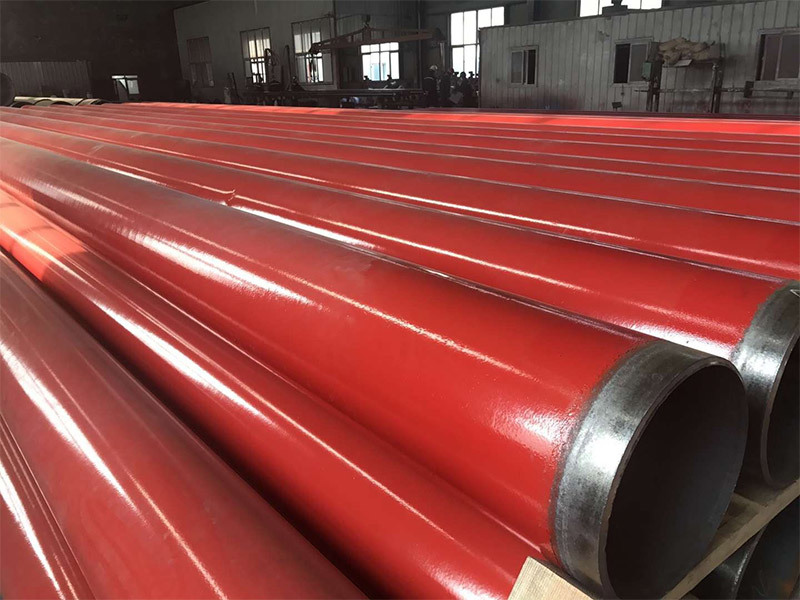
The Environmental Benefits of Using Anti-Corrosion ERW Steel Pipes
The construction industry is continuously seeking materials that not only enhance structural integrity but also promote sustainability. Among the materials gaining traction are **anti-corrosion Electric Resistance Welded (ERW) steel pipes**. These pipes are not only essential for various applications, but they also offer substantial **environmental benefits** that make them a preferred choice in modern construction.
In this article, we will explore the numerous advantages that anti-corrosion ERW steel pipes bring to the environment, addressing key areas such as durability, recyclability, and overall efficiency.
Table of Contents
- What Are ERW Steel Pipes?
- Understanding Anti-Corrosion Treatments
- Durability and Lifespan of Anti-Corrosion ERW Steel Pipes
- Recyclability of ERW Steel Pipes
- Environmental Impact of Using ERW Steel Pipes
- Applications of Anti-Corrosion ERW Steel Pipes in Construction
- Economic Benefits Linked to Environmental Sustainability
- Frequently Asked Questions
- Conclusion
What Are ERW Steel Pipes?
ERW steel pipes are manufactured through a process known as **Electric Resistance Welding**. This process involves rolling steel coils into cylindrical shapes and then welding them at high temperatures. The result is a pipe that is not only strong but also cost-effective.
One of the key features of ERW steel pipes is their seamless design, which significantly reduces the chances of leaks and failures. This characteristic makes them ideal for various applications, including oil and gas transmission, water supply, and structural purposes.
Understanding Anti-Corrosion Treatments
Corrosion is one of the most significant challenges faced by metal structures. Environmental factors such as moisture, chemicals, and temperature fluctuations can lead to metal degradation over time. To combat this, anti-corrosion treatments are applied to ERW steel pipes.
Common anti-corrosion methods include:
- **Galvanization**: A process where steel is coated with zinc to provide a protective layer against corrosion.
- **Polymer Coatings**: These are applied to enhance resistance to chemicals and moisture.
- **Inhibitors**: Chemicals that are added to the pipe surface to slow down the rate of corrosion.
These treatments not only extend the life of ERW steel pipes but also minimize the need for frequent replacements, which can lead to environmental waste.
Durability and Lifespan of Anti-Corrosion ERW Steel Pipes
The durability of anti-corrosion ERW steel pipes is one of the most compelling reasons for their adoption. With proper treatment, these pipes can last for decades, often exceeding 50 years of service life.
This longevity translates to fewer resources consumed over time. When a product is durable, it reduces the need for replacements, which in turn minimizes waste and the environmental footprint.
Moreover, the strength of these pipes makes them resistant to damage from external factors, thus reducing the chances of leaks and spills that can harm the environment.
Recyclability of ERW Steel Pipes
One of the standout features of ERW steel pipes is their **recyclability**. Steel is one of the most recycled materials in the world, and ERW pipes are no exception.
When these pipes reach the end of their service life, they can be easily recycled into new steel products. This process not only conserves resources but also reduces the energy consumption associated with producing new steel.
By utilizing recycled steel in the manufacturing process, the industry can significantly lower carbon emissions, contributing to a more sustainable future.
Environmental Impact of Using ERW Steel Pipes
Using anti-corrosion ERW steel pipes has a positive impact on the environment in several ways:
1. **Reduced Waste**: The durability and longevity of these pipes mean fewer replacements and less waste in landfills.
2. **Lower Carbon Footprint**: The recycling of steel significantly reduces carbon emissions compared to producing new steel from raw materials.
3. **Sustainable Resource Management**: The use of ERW steel pipes optimizes resource use, ensuring that materials are utilized efficiently.
4. **Minimal Environmental Disruption**: The strength of ERW pipes allows for minimal excavation and disruption during installation, preserving the surrounding environment.
Applications of Anti-Corrosion ERW Steel Pipes in Construction
Anti-corrosion ERW steel pipes are versatile and used in various construction applications. Here are a few notable examples:
- **Water Supply Systems**: Their ability to withstand corrosion makes them ideal for carrying potable water, ensuring quality and safety.
- **Gas Distribution**: ERW pipes are commonly used in natural gas distribution systems due to their strength and reliability.
- **Structural Support**: In construction, these pipes serve as structural supports in buildings, providing stability and reducing the need for additional materials.
- **Drainage Systems**: Their durability ensures that drainage systems remain functional over time, preventing clogs and backups that can lead to environmental issues.
Economic Benefits Linked to Environmental Sustainability
Adopting anti-corrosion ERW steel pipes not only contributes to environmental sustainability but also offers economic advantages:
1. **Cost Savings**: The longevity and reduced maintenance needs of these pipes translate to lower overall costs for projects.
2. **Increased Property Value**: Structures that utilize durable materials like ERW steel pipes tend to have higher market value due to their reliability.
3. **Government Incentives**: Many governments offer incentives for using environmentally friendly materials, which can offset initial upfront costs.
Frequently Asked Questions
1. What makes anti-corrosion ERW steel pipes environmentally friendly?
Anti-corrosion ERW steel pipes are designed for longevity and durability, which reduces waste and the need for frequent replacements. Additionally, they are recyclable, helping to conserve resources and lower carbon emissions.
2. How long do anti-corrosion ERW steel pipes last?
With proper treatment and maintenance, anti-corrosion ERW steel pipes can have a lifespan of over 50 years, making them a sustainable choice for construction.
3. Can ERW steel pipes be recycled?
Yes, ERW steel pipes are highly recyclable. Once they reach the end of their life cycle, they can be melted down and repurposed into new steel products.
4. What are the main applications of ERW steel pipes?
ERW steel pipes are used in various applications, including water supply systems, gas distribution, structural support in buildings, and drainage systems.
5. Are there any financial incentives for using ERW steel pipes?
Many regions offer financial incentives for using environmentally sustainable materials in construction, which can help reduce initial costs.
Conclusion
The environmental benefits of using anti-corrosion ERW steel pipes are undeniable. Their durability, recyclability, and minimal environmental impact make them a preferred choice for construction and infrastructure projects. By opting for these sustainable materials, we contribute to a greener future while also benefiting from their economic advantages. Embracing anti-corrosion ERW steel pipes not only enhances project efficiency but also demonstrates a commitment to environmental responsibility.











E-MAIL:
WHATSAPP:
ADD:
Mengcun County Cangzhou City Hebei Province, China 061000