


 CN
 EN
 RU
 ES
 AR


Understanding the Factors Influencing Further Processing Steel Pipe Prices
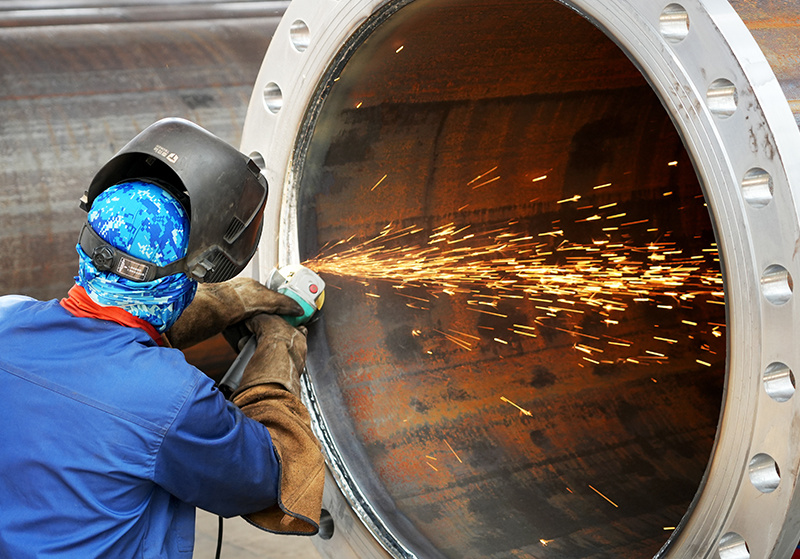
Steel pipes are essential components in the construction and decoration sectors, utilized for a variety of applications, including plumbing, structural support, and decorative features. When discussing “further processing steel pipe price,” it’s crucial to understand the various factors that influence pricing in this industry. These factors can vary widely depending on market conditions, production methods, and material properties.
One of the primary factors affecting further processing steel pipe prices is the cost of raw materials. Steel, being the main component, is subject to fluctuations based on global supply and demand dynamics. For instance, if the demand for steel increases in other industries, such as automotive or infrastructure, this can drive up the price of raw steel and, consequently, the price of steel pipes.
Another critical aspect to consider is the complexity of the processing involved. Further processing can include operations such as cutting, welding, coating, or assembling different pipe sections. Each of these processes requires specialized equipment and skilled labor, which adds to the overall cost. Therefore, the more complex the processing requirements, the higher the price of the finished product.
Additionally, market conditions and regional economic factors play a significant role in steel pipe pricing. Local demand, availability of skilled labor, and transportation costs can significantly impact how much consumers pay for further processed steel pipes. For example, areas with booming construction industries may see higher prices due to increased demand, while regions with lower demand might experience more stable prices.
Quality standards and certifications can also influence pricing. Steel pipes that meet higher quality standards or specific industry certifications often come at a premium. This is particularly important in construction, where safety and durability are paramount. Buyers should weigh the benefits of investing in higher-quality products against the potential costs.
Lastly, technological advancements in manufacturing processes can affect prices. Innovations that lead to more efficient production methods can help lower costs and, in turn, reduce the price of further processed steel pipes. On the other hand, new technologies that enhance product performance can justify higher price points.
In conclusion, understanding the various factors that influence further processing steel pipe prices is essential for professionals in the construction and decorative materials industry. By considering these elements, stakeholders can make informed decisions regarding their purchases and better navigate the complexities of the market landscape.




E-MAIL:
WHATSAPP:
ADD:
Mengcun County Cangzhou City Hebei Province, China 061000