


 CN
 EN
 RU
 ES
 AR


Enhancing Structural Integrity: The Role of Further Processing in Steel Pipe Applications
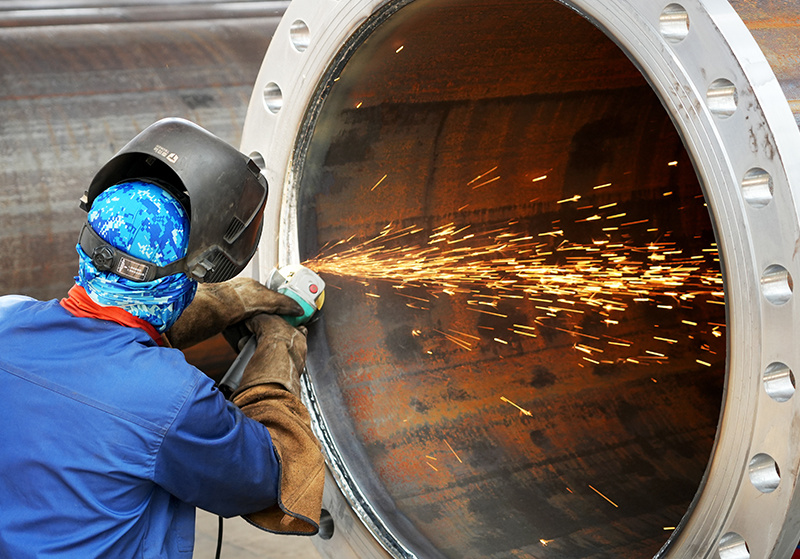
Steel pipes are fundamental in various applications, especially in the construction and decoration materials sector. However, the journey of a steel pipe doesn't end with its initial production; further processing plays a crucial role in enhancing its performance, safety, and suitability for specific tasks. Let’s explore what further processing of steel pipes entails and why it matters.
Further processing refers to the series of treatments and modifications that steel pipes undergo after their initial manufacturing. These processes include but are not limited to, cutting, bending, welding, coating, and finishing. Each of these methods serves a distinct purpose that ultimately contributes to the quality and functionality of the final product.
One significant aspect of further processing is the enhancement of mechanical properties. Through processes such as heat treatment, steel pipes can achieve increased strength and ductility. This is particularly important in construction, where structural integrity is paramount. For example, using treated steel pipes can lead to more robust frameworks that can withstand heavy loads and adverse environmental conditions.
Another vital function of further processing is to increase corrosion resistance. Steel pipes are often subjected to harsh conditions, including exposure to moisture and various chemicals. By applying protective coatings during further processing, manufacturers can significantly prolong the lifespan of steel pipes, making them ideal for use in infrastructure projects, underground installations, and marine environments. This not only reduces maintenance costs but also enhances safety by preventing pipe failure.
Furthermore, further processing allows for customization of steel pipes to meet specific project requirements. For instance, bending techniques can create pipes in various shapes and sizes, essential for complex architectural designs. Additionally, welding processes enable the joining of different pipe sections, facilitating the creation of longer runs that are essential in plumbing and gas distribution systems.
In summary, the role of further processing in the steel pipe industry cannot be overstated. It ensures that steel pipes are not only functional but also durable and tailored to meet the demands of modern construction. By understanding the benefits and applications of further processed steel pipes, professionals in the construction and decoration materials field can make informed decisions that contribute to the success of their projects. Whether you are looking to enhance structural integrity, improve resistance to environmental factors, or customize pipe dimensions, further processing offers the solutions needed for high-quality outcomes in building and construction.











E-MAIL:
WHATSAPP:
ADD:
Mengcun County Cangzhou City Hebei Province, China 061000