


 CN
 EN
 RU
 ES
 AR


Enhancing Durability: The Essential Role of Anti-Corrosion SAW Steel Pipes in Modern Construction
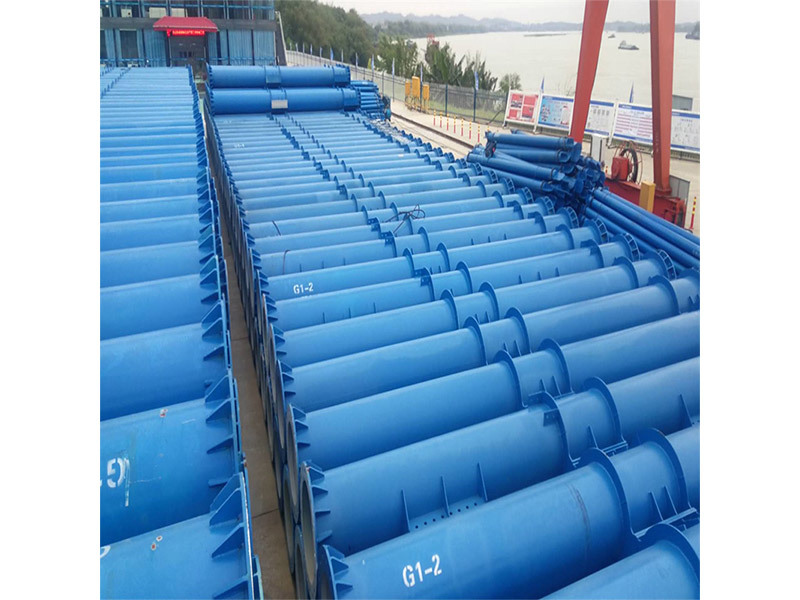
Enhancing Durability: The Essential Role of Anti-Corrosion SAW Steel Pipes in Modern Construction
Table of Contents
- 1. Introduction to Anti-Corrosion SAW Steel Pipes
- 2. Benefits of Using Anti-Corrosion SAW Steel Pipes
- 3. Applications of SAW Steel Pipes in Construction
- 4. Technology Behind Anti-Corrosion SAW Steel Pipes
- 5. Installation and Maintenance Considerations
- 6. Comparing Anti-Corrosion SAW Steel Pipes with Other Materials
- 7. Environmental Impact and Sustainability
- 8. The Future of Anti-Corrosion SAW Steel Pipes in Construction
- 9. Frequently Asked Questions
- 10. Conclusion
1. Introduction to Anti-Corrosion SAW Steel Pipes
In the construction industry, the demand for materials that offer durability and longevity is ever-increasing. **Submerged Arc Welded (SAW) steel pipes** are at the forefront of this evolution, particularly when enhanced with anti-corrosion technologies. These pipes are designed not only to meet the structural requirements of various applications but also to withstand harsh environmental conditions that can lead to deterioration over time.
The significance of **anti-corrosion treatments** cannot be overstated. They play a crucial role in extending the lifespan of steel pipes, making them a cost-effective choice in the long run. In this article, we will delve into the myriad benefits of anti-corrosion SAW steel pipes, explore their applications, and highlight the technology that propels their effectiveness.
2. Benefits of Using Anti-Corrosion SAW Steel Pipes
The advantages of integrating anti-corrosion SAW steel pipes into construction projects are manifold:
2.1 Enhanced Longevity
The primary advantage of anti-corrosion treatments is the **increased lifespan** of the pipes. Standard carbon steel pipes are prone to rust and corrosion, especially in environments exposed to moisture and chemicals. Anti-corrosion coatings, such as epoxy and polyurethane, provide a protective barrier that significantly reduces the likelihood of corrosion.
2.2 Cost Efficiency
Although the upfront cost of anti-corrosion SAW steel pipes may be higher than traditional options, the long-term savings are substantial. Fewer replacements, lower maintenance costs, and reduced downtime contribute to overall financial savings for construction projects.
2.3 Versatility in Applications
Anti-corrosion SAW steel pipes are not limited to a specific application. They can be utilized in various sectors, including oil and gas, water transportation, sewage systems, and structural applications. Their adaptability makes them a preferred choice for many construction engineers.
2.4 Improved Safety
Using durable materials like anti-corrosion SAW steel pipes enhances the overall safety of construction projects. The reduced risk of pipe failure leads to fewer hazards on-site, protecting workers and the environment.
3. Applications of SAW Steel Pipes in Construction
Anti-corrosion SAW steel pipes find use in multiple fields, demonstrating their adaptability and effectiveness:
3.1 Oil and Gas Industry
In the oil and gas industry, these pipes are crucial for transporting hydrocarbons. Their resistance to corrosion and pressure makes them ideal for both onshore and offshore applications.
3.2 Water and Wastewater Management
Anti-corrosion SAW steel pipes are extensively used in water distribution systems, sewage lines, and treatment plants. Their ability to withstand harsh conditions ensures safe and efficient transport of water and waste.
3.3 Construction of Infrastructure
Structural applications, such as bridges, buildings, and tunnels, benefit from the strength and durability of anti-corrosion SAW steel pipes, providing essential support in various constructions.
3.4 Mining and Heavy Industry
In the mining sector, these pipes are essential for transporting materials and fluids under extreme conditions, where corrosion resistance is paramount.
4. Technology Behind Anti-Corrosion SAW Steel Pipes
The efficacy of anti-corrosion SAW steel pipes is enabled by several advanced technologies:
4.1 Coating Techniques
Multiple coating techniques are employed to ensure the longevity of SAW steel pipes. **Epoxy and polyurethane coatings** are among the most common. They are designed to provide a strong protective layer that adheres well to the surface of the pipe, preventing moisture and corrosive substances from penetrating.
4.2 Material Composition
The composition of SAW steel pipes often includes alloying elements such as chromium and nickel, which enhance corrosion resistance. These materials are selected based on the specific environmental conditions the pipes will encounter.
4.3 Advanced Welding Techniques
The submerged arc welding process itself contributes to the durability and integrity of the pipes. This technique ensures high-quality welds with minimal defects, critical for maintaining the strength of the structure.
5. Installation and Maintenance Considerations
Proper installation and maintenance are vital for maximizing the benefits of anti-corrosion SAW steel pipes.
5.1 Installation Guidelines
Following best practices during installation is essential to prevent damage to the protective coatings. This includes handling pipes with care, ensuring proper alignment, and utilizing the right welding techniques to maintain structural integrity.
5.2 Regular Inspections
Routine inspections are necessary to identify any early signs of wear or damage. Implementing a proactive maintenance strategy can significantly enhance the lifespan of the pipes.
5.3 Repair Techniques
In the event of damage, using repair methods tailored to the specific type of coating is crucial. This ensures that the protective properties are restored, prolonging the life of the installation.
6. Comparing Anti-Corrosion SAW Steel Pipes with Other Materials
When it comes to durability and performance, anti-corrosion SAW steel pipes stand out against other materials.
6.1 SAW Steel Pipes vs. PVC
While PVC pipes are lighter and less expensive, they lack the same level of durability and strength as SAW steel pipes. In high-pressure applications, SAW steel pipes are the clear choice.
6.2 SAW Steel Pipes vs. Cast Iron
Cast iron pipes are known for their strength but are susceptible to corrosion over time. Anti-corrosion SAW steel pipes provide a better long-term solution due to their enhanced resistance to environmental factors.
6.3 SAW Steel Pipes vs. Stainless Steel
Stainless steel pipes offer excellent corrosion resistance but can be significantly more expensive. Anti-corrosion SAW steel pipes deliver a cost-effective alternative without sacrificing performance.
7. Environmental Impact and Sustainability
The construction industry is increasingly focused on sustainability, and anti-corrosion SAW steel pipes play a pivotal role.
7.1 Reducing Waste
By extending the lifespan of pipes, anti-corrosion treatments help reduce waste generated from frequent replacements. This contributes to more sustainable construction practices.
7.2 Recyclability
Steel is a highly recyclable material, and the use of SAW steel pipes supports a circular economy. At the end of their life cycle, these pipes can be recycled, minimizing resource extraction and environmental impact.
7.3 Eco-Friendly Coatings
Many anti-corrosion coatings used today are designed to be environmentally friendly, further reducing the ecological footprint of using SAW steel pipes in construction.
8. The Future of Anti-Corrosion SAW Steel Pipes in Construction
As technology continues to evolve, the future looks promising for anti-corrosion SAW steel pipes.
8.1 Innovations in Coating Technologies
Research into new coating materials and techniques aims to enhance the protective properties of SAW steel pipes, ensuring they meet future demands for durability and efficiency.
8.2 Integration with Smart Technologies
The integration of smart monitoring systems in the construction sector could lead to real-time assessments of pipe conditions, allowing for proactive maintenance and repairs.
8.3 Expansion into Emerging Markets
As developing nations invest in infrastructure, the demand for durable and reliable materials like anti-corrosion SAW steel pipes is expected to rise, providing opportunities for manufacturers and suppliers.
9. Frequently Asked Questions
9.1 What are SAW steel pipes?
SAW steel pipes are welded steel pipes produced using the submerged arc welding process, known for their strength and durability.
9.2 How does anti-corrosion treatment work?
Anti-corrosion treatments involve applying protective coatings to the surface of steel pipes, preventing moisture and chemicals from causing rust and corrosion.
9.3 Where are anti-corrosion SAW steel pipes used?
They are utilized in various sectors, including oil and gas, water distribution, sewage systems, and structural applications.
9.4 How long do anti-corrosion SAW steel pipes last?
With proper installation and maintenance, these pipes can last for several decades, significantly reducing the need for replacements.
9.5 Are anti-corrosion coatings safe for the environment?
Many modern anti-corrosion coatings are designed to be environmentally friendly, further promoting sustainable practices in construction.
10. Conclusion
In conclusion, the integration of anti-corrosion SAW steel pipes into construction projects represents a significant advancement in building materials. Their enhanced durability, cost-effectiveness, and versatile applications make them indispensable in today’s construction landscape. By adopting these innovative solutions, we can not only ensure the longevity of our projects but also contribute to sustainable practices that benefit both the environment and the economy. The future of construction is bright with anti-corrosion SAW steel pipes paving the way for more resilient and efficient infrastructure.
Next:











E-MAIL:
WHATSAPP:
ADD:
Mengcun County Cangzhou City Hebei Province, China 061000